
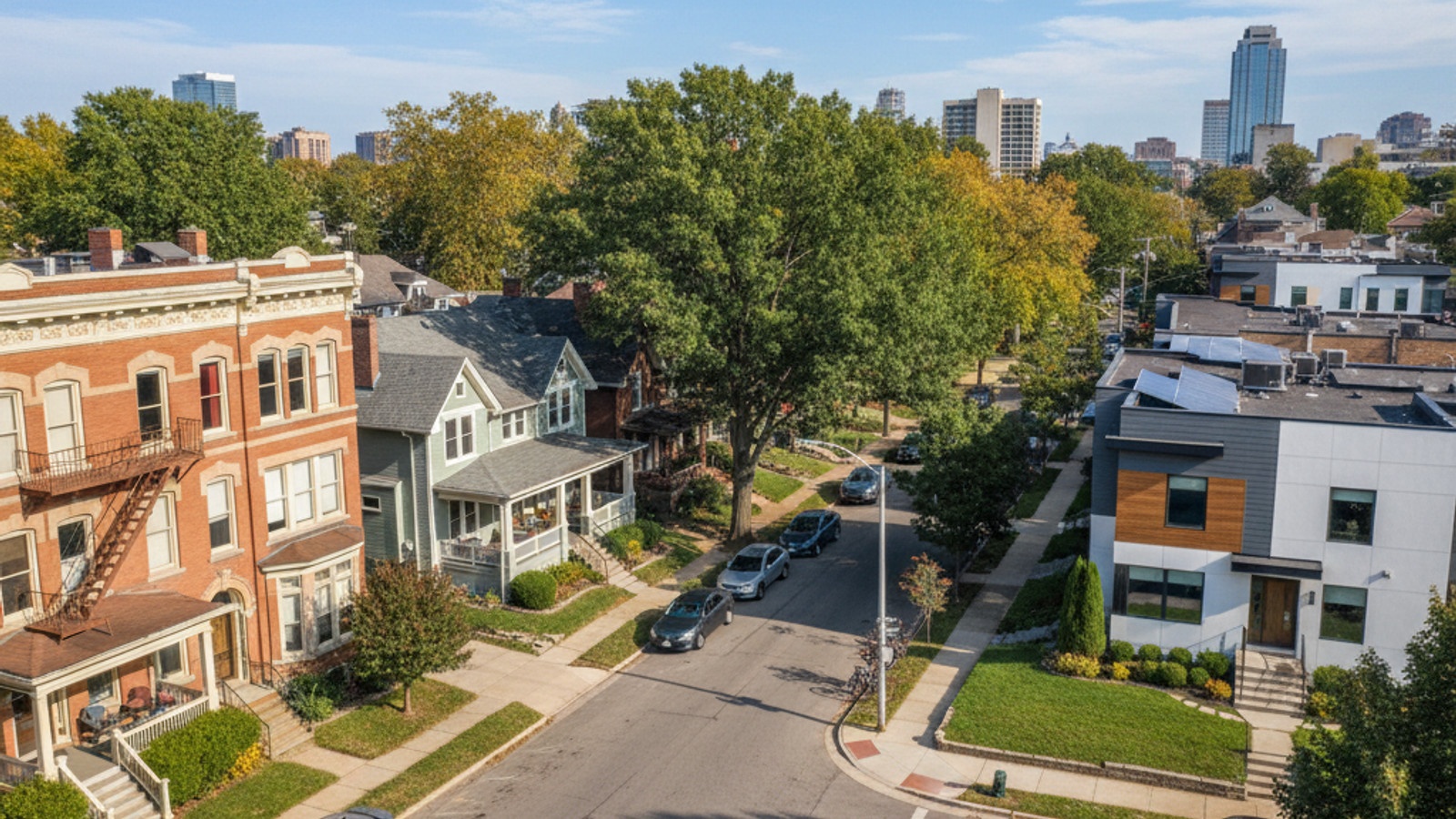
Welcome to the ultimate guide for Kansas City MO, a comprehensive resource designed for buyers, renters, and professionals planning a relocation. Known historically as the “Paris of the Plains” and the “City of Fountains,” this vibrant metro area blends a rich cultural heritage with serious economic momentum. The region serves as a major hub in the Midwestern United States, drawing new residents with its unique mix of affordability and urban amenities.
The local landscape is evolving rapidly as the city prepares to host major global events, including the 2026 World Cup. Buyers looking at homes for sale in Kansas City are discovering a market that balances beautifully preserved historic architecture with modern downtown development. Ongoing infrastructure improvements are reshaping the skyline and enhancing the daily experience for both long-time locals and newcomers.
Understanding the nuances of property taxes, neighborhood layouts, and transit options is essential before making a permanent move. Relocating requires a clear picture of the true costs and lifestyle benefits associated with this specific region. This guide breaks down the housing data, economic insights, and cultural details you need to navigate the market confidently.
Kansas City MO Cost of Living vs National Average
Relocating to the Midwest often brings significant financial advantages compared to coastal markets. Kansas City stands out as a major metropolitan area where your purchasing power stretches noticeably further. The regional economy allows professionals to maximize their income without sacrificing urban conveniences.
The overall cost of living here tracks approximately 11% lower than the national average. Housing costs drive the bulk of this affordability, sitting roughly 14% below the national baseline. Residents also see lower daily expenses across essential categories like groceries, utilities, and routine healthcare services.
Incoming professionals often find they can upgrade their housing expectations while maintaining or even reducing their monthly budget. Retaining more of your income makes it easier to enjoy the diverse dining and entertainment options scattered across the metro. This financial breathing room is a primary reason why the area continues to attract remote workers and corporate transfers.
Kansas City MO Real Estate Market Trends
Navigating the local housing landscape requires understanding both city and suburban pricing dynamics. The market moves quickly during the spring and summer, but it remains highly accessible compared to other major tech and healthcare hubs. Buyers have a wide variety of property styles to choose from, ranging from historic brick builds to new construction.
The median home price within the city limits currently ranges between $260,000 and $290,000. Buyers expanding their search to the broader metro area will see median prices exceeding $320,000. Rental market averages offer similar value, whether you are looking at high-rise downtown apartments or single-family homes in the surrounding counties.
Missouri calculates residential property taxes by assessing homes at 19% of their market value. Jackson County, which covers a large portion of the city proper, generally features effective property tax rates between 1.11% and 1.19%. Clay and Platte counties offer slightly different tax structures, making it vital to verify county lines when viewing prospective properties.
Best Neighborhoods and Suburbs in Kansas City MO
The city features a diverse collection of districts, each defined by distinct architectural styles and local amenities. Choosing the right area depends heavily on your commute preferences, housing requirements, and desired proximity to commercial hubs.
Exploring these distinct zones will help you narrow down your property search effectively. Local real estate agents typically recommend touring multiple districts to get a true feel for the daily commute.
- Downtown Kansas City & Power & Light District: This area focuses on high-density living with luxury apartments, modern condos, and highly walkable access to dining and public transit.
- Crossroads Arts District: Buyers will find historic boutique lofts surrounded by independent galleries, local coffeehouses, and creative workspaces favored by entrepreneurs.
- River Market: Positioned directly near the Missouri River, this neighborhood features historic warehouse conversions and direct pedestrian access to the bustling City Market.
- Country Club Plaza: Known globally for its Spanish-inspired architecture, this district offers upscale retail, adjacent access to Mill Creek Park, and nearby historic single-family homes.
Economic Outlook and Major Employers
A robust local economy anchors the real estate market and drives consistent population growth across the region. The metro area serves as a strategic logistical hub due to its highly central location in the Midwestern United States. This geographic advantage attracts massive supply chain operations and manufacturing facilities.
Healthcare and technology are the primary engines of white-collar employment across the metro area. Major corporate headquarters and large-scale employers provide stable, long-term career opportunities for incoming residents. Legacy companies like Hallmark Cards and historic brands like J. Rieger & Co. maintain deep, active roots here.
The medical and health-tech sectors are particularly strong drivers of corporate relocation. Top employers such as Cerner – now Oracle Health – operate alongside massive regional networks like Saint Luke’s Health System and the University of Kansas Health System. This high concentration of medical and tech professionals keeps the local housing market consistently active.
Navigating the Education Landscape
Evaluating educational options is a standard part of the home-buying process for many buyers moving from out of state. The metro area contains a complex geographic layout consisting of multiple independent public school districts. Navigating this system requires careful attention to specific zoning maps rather than just city names.
Buyers should always verify district boundaries directly, as city limits do not perfectly align with school attendance zones. The region features a variety of specialized magnet schools and well-established private academies. Access to these specific academic programs often influences where buyers choose to focus their property search.
Objective metrics are the best tool for evaluating these educational networks. Reviewing publicly available data on student-to-teacher ratios, graduation rates, and curriculum focuses will help you make an informed decision. Local real estate agents can provide detailed boundary maps to ensure your desired property aligns with your preferred district.
Getting Around: Transit and Mobile Navigation
Commuting in this region heavily favors personal vehicles, though urban transit options are expanding rapidly. The extensive highway system efficiently connects the Missouri side to Kansas City, Kansas, and the sprawling surrounding suburbs. Traffic patterns are generally highly predictable compared to the gridlock found in larger coastal metros.
Downtown commuters benefit significantly from the KC Streetcar, which runs directly through the urban core. This sleek rail line connects the River Market down to Crown Center and is currently completely free to ride. Modern mobile transit apps make it simple to track arrival times and plan seamless routes across the city center.
Air travel is equally accessible for business professionals and frequent flyers. The newly redesigned Kansas City International Airport offers streamlined navigation, modern amenities, and expanded direct flight routes. This upgraded infrastructure is a major selling point for corporate relocations and remote workers who travel frequently.
Things to Do and Lifestyle in Kansas City MO
Whether you plan to live here year-round or just want to visit KC to scout neighborhoods, the local lifestyle is defined by a deep appreciation for the arts. Residents have access to a rich array of cultural institutions that rival those found in much larger cities. The social calendar stays packed with gallery openings, museum exhibitions, and outdoor festivals.
Visual arts enthusiasts frequently visit the massive Nelson-Atkins Museum of Art and the innovative Kemper Museum of Contemporary Art. Historical landmarks also play a major, visible role in the city’s everyday identity. The National World War I Museum and Memorial offers sweeping views of the skyline, while the Negro Leagues Baseball Museum preserves a crucial piece of American sports history.
The performing arts scene provides year-round entertainment for locals and visitors alike. The striking Kauffman Center for the Performing Arts hosts world-class symphony, ballet, and opera performances. Residents can easily balance free weekend activities at local parks with premium ticketed events at these spectacular venues.
Cultural Pillars: KC BBQ, Jazz, and Sports
Kansas City possesses a global reputation built on three distinct cultural pillars. The legacy of slow-smoked KC BBQ is legendary, with countless local barbecue joints offering their own signature burnt ends and sauces. You cannot truly experience living here without engaging in the local debate over which neighborhood smokehouse is the absolute best.
The city’s musical heritage is equally profound, particularly within the historic 18th & Vine Jazz District. The American Jazz Museum and the Mutual Musicians Foundation keep this vibrant history alive through regular live music and late-night jam sessions. Authentic jazz clubs scattered across the city continue to foster new generations of local musical talent.
A passionate sports culture unites the entire metro area throughout the year. Local professional baseball and football franchises command massive, highly dedicated followings that transform the city on game days. The rising prominence of association football is adding even more energy to the local sports scene as the city prepares for international matches.
Living in Kansas City MO Pros and Cons
Every housing market presents a unique mix of advantages and challenges that buyers must weigh. Reviewing these factors objectively will help you decide if this Midwestern hub aligns with your long-term personal and financial goals.
Understanding the daily realities of the region ensures you approach your home search with realistic expectations. A balanced view of the area prevents surprises after the moving trucks have been unloaded.
- Pros: The area offers exceptional housing affordability, a world-class culinary heritage, and a rich arts scene supported by genuine Midwestern hospitality.
- Cons: The landlocked geography limits access to coastal recreation, and residents must adapt to highly variable seasonal weather, making autumn the best time to visit for house hunting. You will also need a personal vehicle if you plan to live outside of the immediate downtown core.
Frequently Asked Questions
Is it easy to get into and around Kansas City?
Getting around is highly convenient if you own a personal vehicle, as the comprehensive highway system efficiently connects the entire metro area. Downtown residents can also utilize the free KC Streetcar to navigate between major entertainment and business districts. The recently updated Kansas City International Airport makes flying in and out of the region easier than ever before.
What is the true cost of living in Kansas City, MO?
The overall cost of living is approximately 11% lower than the national average. Housing is the biggest financial advantage, with the median home price in the city sitting between $260,000 and $290,000. Residents also enjoy lower-than-average daily costs for groceries, utilities, and routine healthcare.
What are the must-see attractions and hidden gems in Kansas City?
Major cultural highlights include the Nelson-Atkins Museum of Art and the National World War I Museum and Memorial. For a deeper local experience, visitors should explore the historic 18th & Vine Jazz District and shop at the bustling City Market. Dozens of legendary barbecue joints serve as culinary landmarks scattered throughout the city neighborhoods.