
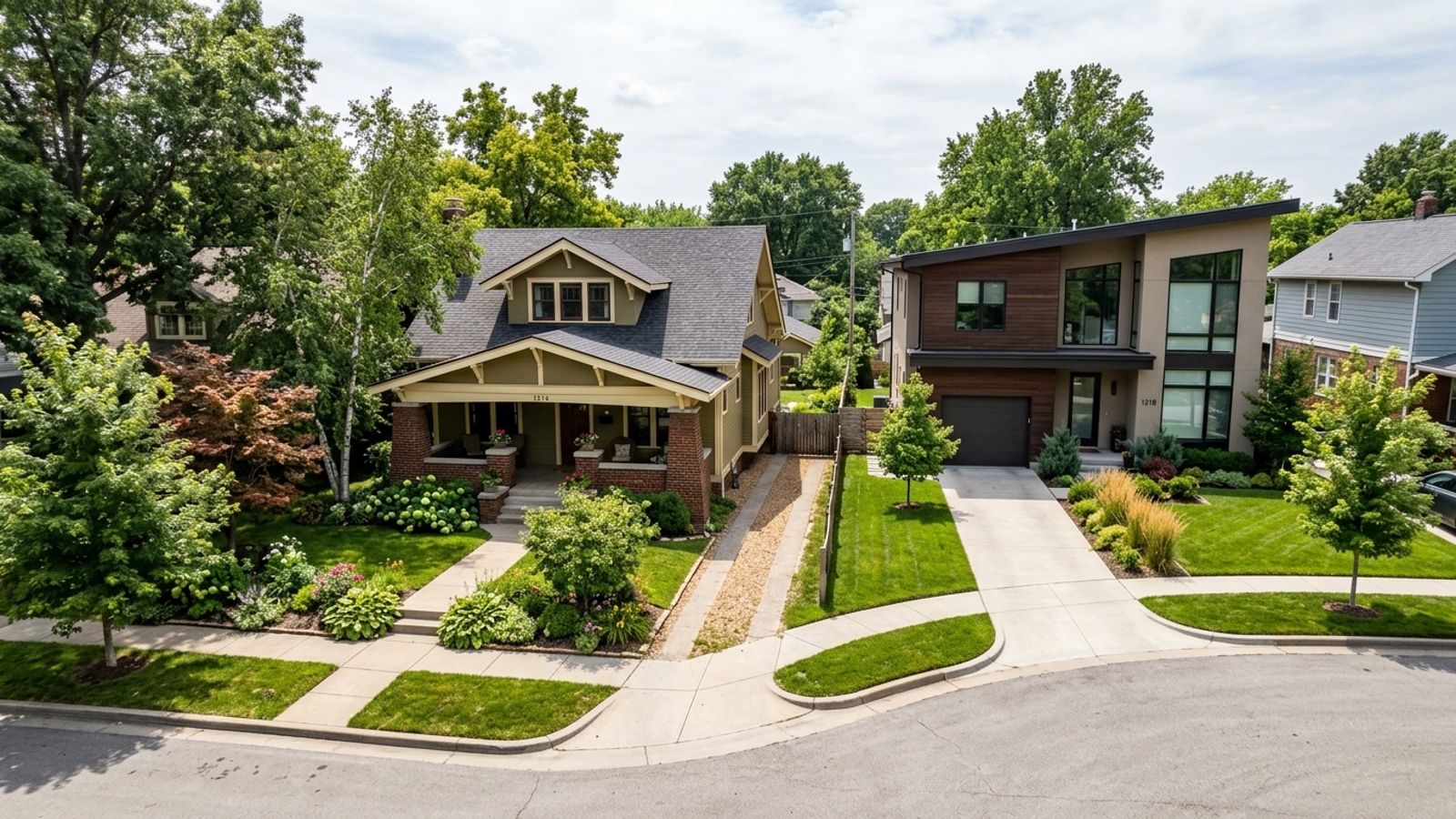
The median sale price for a home in Kansas City, MO is currently around $310,000 – well below the national average, which is why this city keeps showing up on the shortlist for buyers who want more house for their money. For those buying a home in Kansas City, MO, homes here are selling in roughly 19 days, so the interest is real and consistent.
Moving here means trading some conveniences for lower everyday costs. You’ll want to look at property taxes, cross-state commute dynamics, and published civic data before you sign anything. What follows is a straightforward breakdown of the financial and lifestyle realities that drive this market.
The Quick Verdict on Relocating to Kansas City
Kansas City’s cost of living index sits at 94 – meaning your everyday expenses run about 6% below the national average. That’s the number behind most of the relocation interest you hear about, especially from buyers coming out of coastal markets. The housing supply holds at a tight 2.8 months, so while prices are accessible, the competition isn’t gone.
That said, this isn’t a city you move to without knowing its trade-offs. You’ll need a car. Public transit options are limited enough that for most commutes, car ownership isn’t optional – it’s a given. You should also pull the local crime statistics and understand the weather patterns before you commit. Those aren’t afterthoughts; they’re part of the picture.
Top Benefits to Consider
Affordability is the most straightforward argument. Average rents are running around $1,370 per month as of August 2026, which means housing takes up a noticeably smaller share of a typical paycheck than it would in most comparable metros. You also get access to a large bi-state job market, major healthcare systems, professional sports, and an extensive park network.
Potential Drawbacks
Midwestern weather is real, and you’ll want to confirm your insurance covers the events that come with it. Property taxes and utility costs can shift depending on which side of the state line your property sits on.
Commuters who cross state and county lines regularly will also find their tax filings more complicated than they’d like. Peak-hour traffic on the main corridors into suburban office parks is a legitimate daily factor.
Location and Surrounding Counties
Kansas City, MO spans four counties: Jackson, Clay, Platte, and Cass. Jackson County holds the downtown core and the bulk of the population. The city’s northern sections push into Clay and Platte counties, and Cass County covers the southern edge.
The city anchors a bi-state metro that runs directly into Kansas. That matters more than people realize when they’re house hunting, because which county a home sits in determines the property tax rate, the vehicle registration process, and the municipal services you get. A Kansas City mailing address tells you almost nothing about which local rules apply – a home a mile from another can operate under a completely different set of regulations.
Local Crime Data and Research Tools
According to 2024 FBI data released in September 2025, Kansas City has a violent crime rate of 1,547 per 100,000 people. The City-Data crime index places the 2024 rate at 704 – approximately three times the national average. These are the numbers you should be working from when you’re evaluating different parts of the city.
Crime rates shift from one block or zip code to the next, so anecdotal advice from a friend who lived here a few years ago isn’t going to serve you well. Go to the primary sources. The Kansas City Police Department and local sheriff’s offices maintain public records for exactly this purpose.
Where to Find Official Police Reports
The City of Kansas City runs an Open Data KC portal where the KCPD publishes updated crime incident datasets by calendar year. You can pull raw data on reported incidents, response times, and specific locations across the municipality.
The KCPD also offers an interactive Crime Mapping tool online. Filter by date range and incident type, and you’ll get a current, visual breakdown of what’s happening in any given area of Kansas City, MO.
Housing Costs and Everyday Expenses
The C2ER cost of living index rating of 94 confirms that Kansas City generally runs below the US baseline, and housing is the main reason why. The median home price near $310,000 keeps the barrier to entry lower than in most comparable metros, even accounting for year-over-year increases.
Renters are looking at an average of $1,370 per month – though that figure climbed 7.3% between 2025 and 2026, so it’s not standing still. On the purchase side, homes are selling at about 99.8% of list price. Sellers are still in a solid position, but buyers can generally forecast their final costs without the kind of escalation chaos that’s defined other markets.
Income Requirements for Local Residents
The median household income in Kansas City, MO is $67,449 per year, based on 2023 US Census Bureau data. What counts as “enough” to live comfortably, though, depends entirely on whose model you’re using.
An MIT living wage study cited by Fox4KC puts the number at $48,000 annually for a single adult with no children, and $82,000 for a single parent. Apartments.com estimates a single adult needs about $54,084 before taxes. A SmartAsset study using the 50/30/20 rule lands at $90,272 for a single adult who wants to live comfortably and save adequately. That’s a wide range, and which figure applies to you depends on your household size, lifestyle, and what “comfortable” means in your situation.
Comparing the City Proper to the Broader Metro
Buyers regularly go back and forth between Kansas City, MO proper and the surrounding metro suburbs, and there’s no universal right answer. The city gives you closer access to arts venues, downtown offices, and older housing stock with character. The suburbs tend to offer newer construction, bigger lots, and different municipal tax structures.
Commute is usually the deciding factor. If you’re working downtown, living in the city makes obvious sense. If your office is in a suburban campus on the other side of the metro, the math changes. Either way, compare property tax rates between Jackson County and the neighboring suburban counties – the long-term holding cost difference can be more meaningful than the purchase price difference.
Specialized Housing: Senior, Assisted, and Sober Living
Kansas City’s market includes a wide range of specialized facilities for people going through specific life transitions. If you’re looking for senior living or assisted living in Kansas City, MO, you’ll find options that run from independent 55+ communities to full-time memory care – distributed across all four counties within the city limits.
Sober living in Kansas City, MO is also available through accredited recovery housing and transitional programs. For any specialized facility, the process is the same: request current state licensing records and get a clear accounting of exactly which services are included in the monthly base rate before you make any decisions.
Frequently Asked Questions
Is Kansas City, MO a good place to live?
It depends on your priorities and budget. The area offers a cost of living 6% below the national average and a median home price around $310,000. Residents do face car-dependent commutes and a violent crime rate that sits above the national average.
What are the cons of living in Kansas City?
The main ones are a heavy reliance on personal vehicles and the complexity of bi-state tax filings for commuters who cross the state line regularly. Seasonal weather extremes are real, and the published crime index runs higher than the US baseline.
Is Kansas City expensive to live in?
No – it’s generally more affordable than the national average. The C2ER cost of living index is 94, average rent is roughly $1,370 per month, and a single adult needs somewhere between $48,000 and $90,272 annually to live comfortably, depending on which economic model you’re using.
What do the crime statistics show for Kansas City, MO?
FBI data for 2024 shows a violent crime rate of 1,547 per 100,000 people. The City-Data crime index places the city’s rate at roughly three times the national average.
Is Kansas City or the broader Kansas City Metro a better fit to live in?
It depends on your housing preferences and daily commute. The city proper offers historic homes and closer access to downtown amenities, while the broader metro generally provides newer construction and different county tax structures.
What are the steps to find accredited senior, assisted, or sober living facilities in Kansas City, MO?
Start by identifying which of the four city counties works best for your location needs. From there, request state licensing records and verify exactly which medical or transitional services are included in the facility’s monthly fees.
What should I know about commuting in the area?
Public transit options are limited, meaning car ownership is essentially a requirement for most residents. Peak-hour traffic on the main corridors is a legitimate factor that impacts daily transportation in Kansas City, MO.
How do county lines affect local education?
Because the city spans four different counties, municipal services and property tax rates vary depending on your exact address. Buyers should verify these specific boundaries when researching schools in Kansas City, MO for their household.

Dani Beyer, a Kansas City native, began her career in real estate in 2004 after working in the tech industry. Since then, she's helped thousands of families turn their dreams into keys! Dani is now the CEO and Lead Listing Specialist of 'Dani Beyer Real Estate' brokered with Keller Williams KC North. With 820+ Five Star reviews, she specializes in helping buyer and sellers in the Kansas City Northland.