
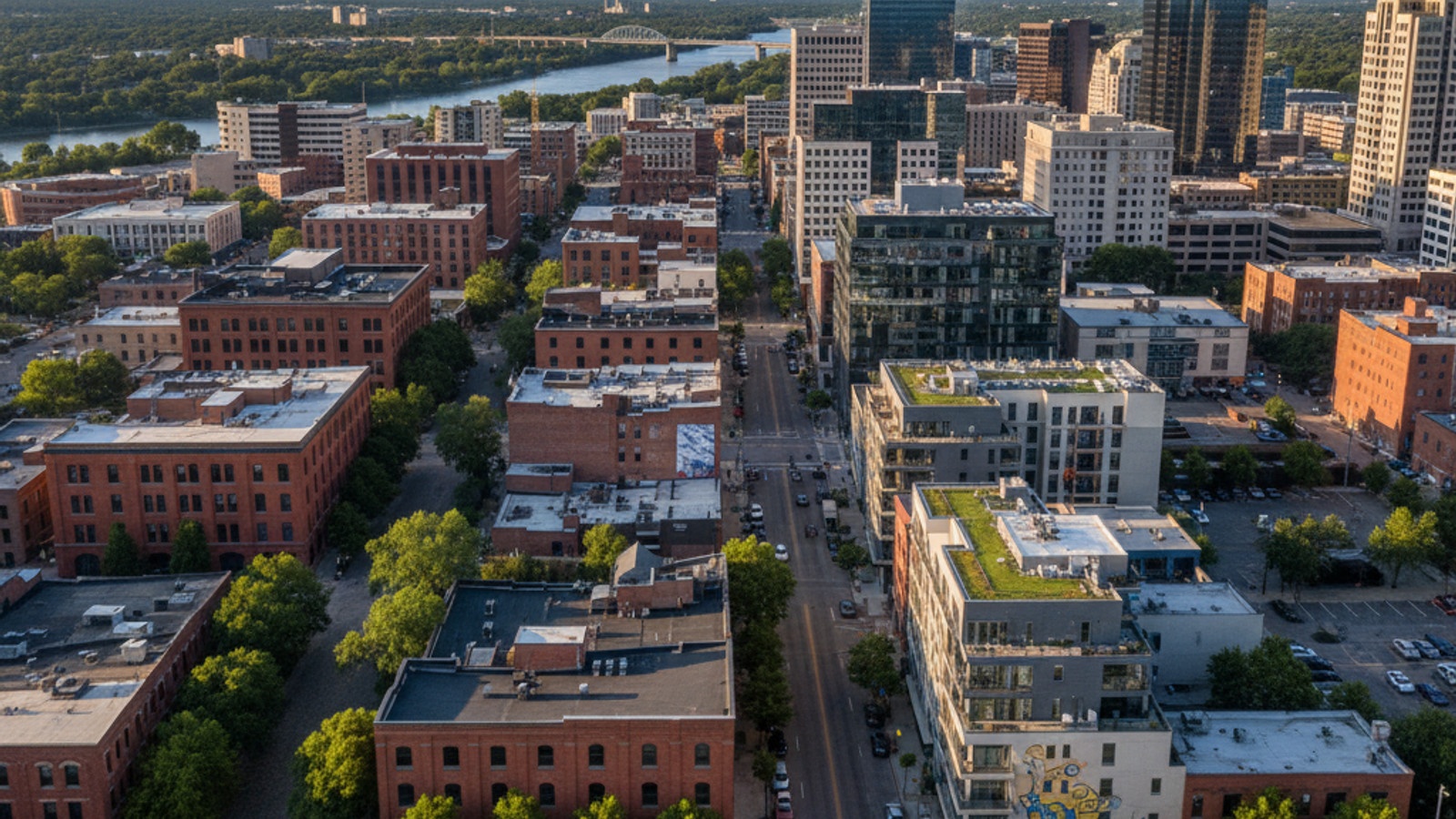
Kansas City has rapidly transformed into a top relocation destination in the Midwest. People buying a home in Kansas City, MO often seek a balance of big-city amenities and a lower cost of living compared to coastal markets. The Missouri side of the state line, known locally as KCMO, offers a diverse mix of historic districts, urban lofts, and sprawling suburban plots.
Different zip codes in the KCMO real estate market directly impact your daily commute and lifestyle. Choosing the right area means looking closely at local businesses, public transit access, and property tax rates. You can explore the best neighborhoods effectively by focusing on objective data and current local market trends.
Is Kansas City, MO a Good Place to Live?
The appeal of living in Kansas City lies in its combination of affordability, world-class barbecue, and a thriving job market. First-time buyers are often surprised by the purchasing power they have here compared to other major metropolitan areas. The median home price in KCMO currently hovers around $250,000 to $275,000.
It is important to distinguish between the Missouri side and the Kansas side when evaluating the region. KCMO serves as the cultural and economic anchor, housing downtown Kansas City and major entertainment districts. The Kansas side operates under entirely different municipal governments and tax structures.
Relocators will find a strong sense of community anchored by local pride and ongoing infrastructure investments. The city offers a distinct blend of Midwestern hospitality and robust economic opportunities. Buyers prioritizing a lower financial barrier to entry will find significant value in the KCMO housing market.
Recent corporate investments and a growing technology sector continue to diversify the local economy. This economic stability provides a strong foundation for long-term real estate investments. Exploring the various districts allows buyers to align their housing choice with their daily lifestyle needs.
Most Walkable Neighborhoods in Kansas City
Walkability is a major factor for buyers who want easy access to dining, nightlife, and transit. The urban core of Kansas City features several distinct districts connected by expanding public transportation. Residents in these areas often rely less on personal vehicles for their daily errands.
The 2025 and 2026 KC Streetcar Main Street Extension to UMKC has drastically improved transit access across the city center. This free public transit line connects major employment hubs directly to residential lofts and entertainment venues. Buyers looking for homes for sale in Kansas City with high walk scores should focus their search along this corridor.
Exploring these urban zones reveals a high density of mixed-use developments and historic renovations. Each district maintains a distinct architectural identity while sharing a commitment to pedestrian-friendly infrastructure. Evaluating these areas requires matching your preferred property type with the surrounding commercial amenities.
River Market
Situated along the Missouri River, this district is known for its historic brick lofts and scenic riverfront views. The area centers around the City Market, a massive farmers’ market that operates year-round. Residents enjoy immediate walking access to fresh produce, local coffee shops, and independent restaurants.
Commuting from this district is highly efficient due to the existing streetcar infrastructure. Property types here lean heavily toward attached condos and renovated industrial spaces. Buyers prioritizing a low-maintenance lifestyle will find excellent options along these historic streets.
Crossroads Arts District
Crossroads, Kansas City serves as the creative hub of the city with a high concentration of galleries and boutique shopping. The neighborhood features numerous converted warehouses that now serve as modern condos and local brewery spaces.
This district hosts a massive monthly street festival that highlights regional artists and vendors. The central location makes it highly desirable for buyers seeking an active, arts-focused environment. Property values here reflect the high demand for walkable urban living.
Westport and 39th Street
Westport is renowned for its vibrant entertainment scene and dense collection of independent local businesses. The adjacent 39th Street corridor offers an eclectic mix of bookstores, cafes, and historic homes. This area provides high walkability while maintaining a distinct, historic architectural character.
Housing inventory in this district includes historic single-family homes and newer apartment developments. Residents benefit from close proximity to major medical centers and specialized employment hubs. The blend of historic charm and modern amenities creates a highly competitive housing market.
Country Club Plaza
The Country Club Plaza features upscale condos surrounded by striking Spanish-inspired architecture. This district offers premier shopping and dining right next to the Nelson-Atkins Museum of Art.
Real estate options range from high-rise luxury apartments to sprawling historic estates just south of the main commercial zone. Buyers seeking premium amenities with immediate pedestrian access to cultural landmarks will find this area highly appealing. The premium location commands some of the highest price points in the urban core.
Top Neighborhoods in Kansas City, MO for Parks and Schools
Many buyers prioritize proximity to highly-rated elementary schools, expansive public parks, and larger lot sizes. Kansas City offers several residential enclaves that provide a lower density of commercial traffic while remaining within the city limits. These areas typically feature historic architecture and mature, tree-lined streets.
Evaluating these neighborhoods requires looking at objective metrics like park density and yard square footage. The architectural styles range from classic 1920s builds to mid-century suburban layouts. Buyers seeking a traditional neighborhood feel with distinct community amenities have several strong options.
Real estate inventory in these districts moves quickly due to consistent local demand. Buyers should prepare competitive offers when targeting homes situated near major public green spaces. Working closely with a local agent is crucial to navigating these highly sought-after residential corridors.
Brookside
The Brookside neighborhood is defined by its preserved 1920s architecture and highly active local shopping district. The neighborhood offers dense tree canopies and easy access to the Harry Wiggins Trolley Track Trail. Homes here often feature unique craftsmanship, making it a highly competitive market for buyers seeking historic charm.
The local commercial center provides residents with grocery stores, hardware shops, and dining options within a short distance. Public spaces are well-maintained, offering extensive green space for outdoor recreation. Inventory remains tight in this district due to strong historical preservation and high buyer demand.
Waldo
The Waldo area provides excellent affordability for first-time buyers seeking distinct bungalow homes. The neighborhood features immediate access to local parks and a commercial corridor filled with neighborhood services.
Buyers appreciate the balance of lower price points and proximity to the amenities of Brookside. Lot sizes here typically offer ample space for landscaping and outdoor entertaining. The ongoing commercial revitalization continues to drive steady property value appreciation.
North Kansas City and Shoal Creek
The Shoal Creek area and the broader Northland region offer a distinct suburban feel within the KCMO city limits. Properties here typically feature larger yard sizes, modern community centers, and newer construction. This region is ideal for buyers prioritizing square footage and access to highly-rated public school districts.
Commuting to downtown Kansas City from the Northland is generally straightforward via major highway corridors. The area features extensive master-planned communities with robust local infrastructure. Buyers looking for new construction homes will find the highest concentration of options in these northern zip codes.
Evaluating Crime Rates and Property Security in Kansas City, MO
Property security is a common priority for anyone evaluating a new real estate market. Assessing crime rates should always rely strictly on local police statistics rather than subjective neighborhood reputations. Buyers should consult the KCPD crime mapping tool for the most current, block-by-block data.
Certain KCMO neighborhoods, such as Armour Hills or specific zip codes in the Northland, historically report lower property crime rates. These areas often feature active neighborhood associations and well-lit residential streets. Reviewing objective data helps buyers make informed decisions about property investments.
Some buyers choose to expand their search across the state line into Kansas suburbs like Overland Park or Shawnee. These municipalities operate under different local governments and offer distinct police services and school districts. Comparing statistical data across both sides of the state line provides a clearer picture of the regional housing market.
Understanding local municipal boundaries is essential when calculating property taxes and public service access. The regional housing market offers diverse options depending on which specific municipal amenities a buyer prioritizes. Thorough research ensures that buyers align their housing budget with their desired level of community services.
Areas to Avoid in Kansas City, MO: Comparing the Market
Like any major metropolitan area, Kansas City has neighborhoods that experience higher statistical rates of property and violent crime. Certain urban-core and eastern zip codes currently face economic transition and require more due diligence from buyers. Relying on statistical crime heat maps is the best way to evaluate these specific locations.
Buyers should take actionable steps when researching any potential property. Implementing a thorough research strategy will clarify local market conditions before making an offer.
- Visit target neighborhoods at different times of day to observe traffic patterns.
- Review recent local police reports to understand specific block-by-block data.
- Consult a knowledgeable local real estate agent for objective market insights.
Real estate investments require a thorough understanding of localized data rather than broad assumptions. Every block in a transitional area can vary significantly in terms of property values and reported incidents.
Buyers willing to invest in transitional areas often find lower purchase prices but must account for varying neighborhood conditions. Relying on objective research ensures a sound investment when purchasing a home in KCMO.
Frequently Asked Questions
What is the nicest neighborhood in Kansas City, MO?
The Country Club Plaza and the Ward Parkway corridor are widely considered the premier luxury districts in KCMO. These areas feature historic estates, high-end shopping, and home prices that frequently exceed $1,000,000. Buyers seeking luxury amenities and historic architecture focus heavily on these zip codes.
What neighborhood does Travis Kelce live in?
Travis Kelce recently purchased a property in Leawood, Kansas, which is a highly affluent suburb just across the state line. His previous residence was located in the Briarcliff neighborhood within the KCMO city limits. Both areas offer significant privacy and property values well above the regional median of $275,000.
What are the main differences between living in Kansas City, MO vs. Kansas City, KS?
The state line divides the metropolitan area into two distinct legal and tax jurisdictions. Living in KCMO places you in Missouri with access to the primary downtown amenities and a specific state income tax rate. Kansas City, KS operates under Kansas state laws, offering different municipal services and property tax assessments.

Dani Beyer, a Kansas City native, began her career in real estate in 2004 after working in the tech industry. Since then, she's helped thousands of families turn their dreams into keys! Dani is now the CEO and Lead Listing Specialist of 'Dani Beyer Real Estate' brokered with Keller Williams KC North. With 820+ Five Star reviews, she specializes in helping buyer and sellers in the Kansas City Northland.