
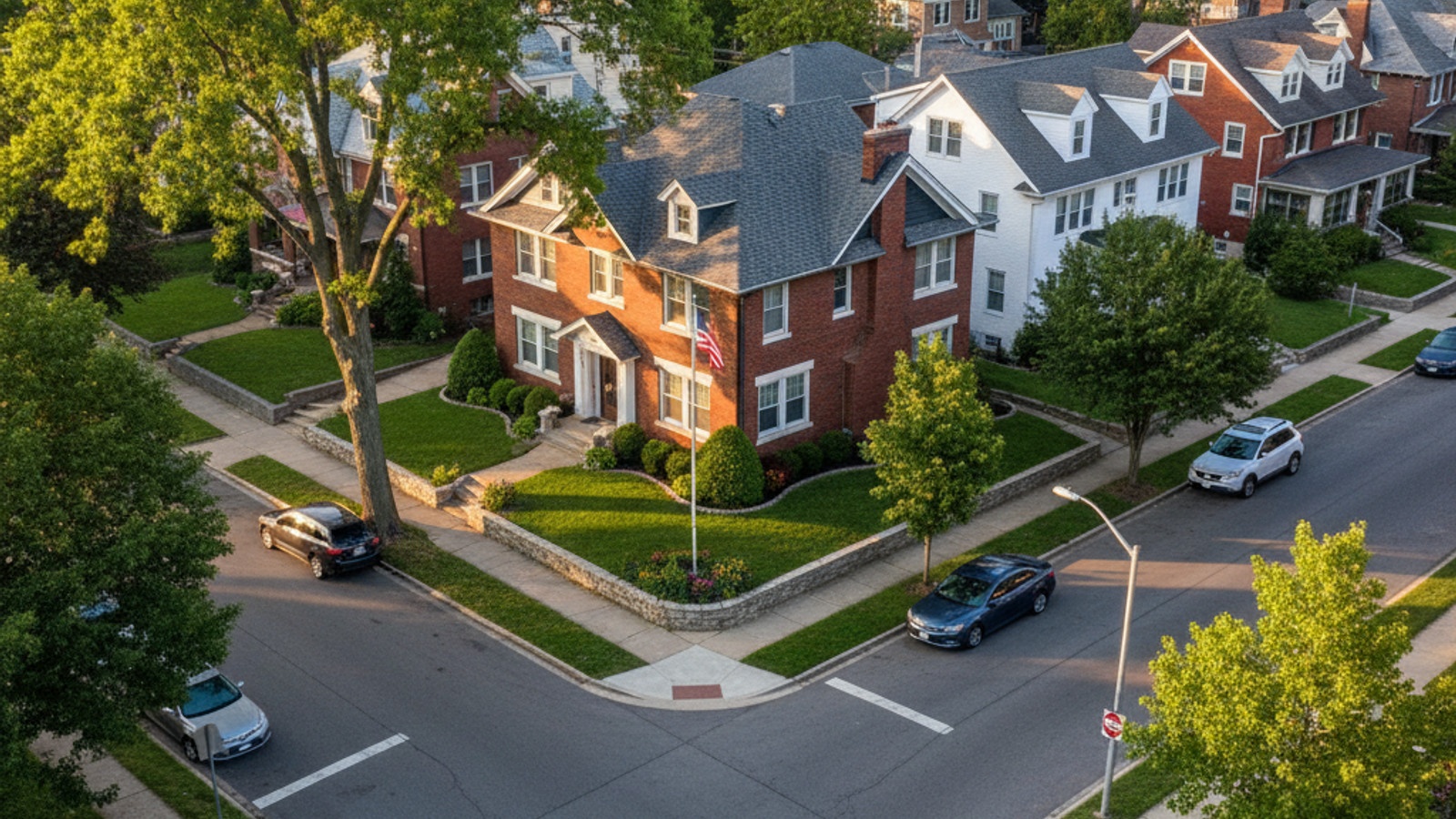
Kansas City is a thriving Midwest hub known for its rich culture, famous barbecue, and passionate sports fans. If you are considering a move here in 2026, you are looking at a metro area that uniquely spans the Missouri and Kansas border. This geographic quirk means you can easily work in one state and purchase a home in another.
Making a cross-country move to Kansas City requires understanding what daily life actually entails beyond the tourist attractions. This guide will cover the exact costs, neighborhood features, economic drivers, and lifestyle realities you can expect. Knowing the nuances of the area will help you decide if a relocation makes sense for your long-term real estate goals.
What is it Like Living in Kansas City, MO?
Life in this metro area blends urban amenities with a surprisingly relaxed pace. The city is geographically expansive, spreading across multiple counties in both Missouri and Kansas. This sprawling layout heavily influences everything from your daily commute to where you buy groceries.
Residents enjoy a distinct four-season climate that brings beautiful spring blooms and colorful autumn foliage. You will also experience hot, humid summers and cold winters that occasionally feature tornado warnings. Understanding this weather pattern is essential when budgeting for seasonal home maintenance and utility bills.
The clear takeaway for buyers is that Kansas City offers a highly accessible metropolitan lifestyle without the overwhelming congestion of coastal hubs. You get the major league sports and arts districts while keeping everyday friction relatively low.
Living in Kansas City, MO: Pros and Cons
Evaluating any new city requires a balanced look at the advantages and the objective drawbacks. The local market offers distinct benefits, but it also presents a few infrastructural challenges you should anticipate. Here is a quick breakdown of the major pros and cons.
- Pro: The overall cost of living and housing prices sit comfortably below the national average.
- Pro: The region boasts a thriving arts scene, world-class barbecue, and major entertainment venues.
- Con: Limited public transit options make the city highly car-dependent for most daily errands.
- Con: Weather extremes require preparation for both intense summer humidity and freezing winter storms.
The biggest advantage of moving here is the ability to stretch your housing budget significantly further. You must factor in the cost of vehicle ownership, as relying solely on public transport is difficult outside the downtown core.
The Cost of Living in Kansas City, MO
When evaluating living in Kansas City MO, affordability remains one of the strongest selling points for the region. The overall cost of living is approximately 6% to 11% less than the national average. This financial advantage is most obvious when you look at the local real estate market.
As of early 2026, the median home price within the city limits hovers around $275,000 to $290,000. If you look at the broader metropolitan area, the median price sits closer to $320,000. The region provides a fantastic opportunity for affordable living compared to coastal tech hubs or major western markets.
Beyond the mortgage, daily expenses like groceries and healthcare remain highly manageable. Property taxes do vary significantly depending on whether you purchase a home on the Missouri or Kansas side of the state line. Buyers should always run the exact tax numbers on a specific property before making an offer.
Where to Live: Top Neighborhoods and Suburbs
When evaluating the best places to live, choosing the right location depends entirely on your preference for urban density versus suburban space. The metro features a wide variety of architectural styles, from historic brick homes to modern high-rise condominiums. Each distinct district offers a different mix of amenities and commute options.
- River Market: This highly walkable center for urban living offers easy access to the KC Streetcar and a massive weekend farmers market.
- Crossroads Arts District: Known for its creative scene, this area features renovated lofts, numerous galleries, and excellent local dining.
- Brookside: This historic area boasts classic architecture, tree-lined streets, and a strong collection of local boutique shops.
- Overland Park: Located just across the state line, this massive Kansas suburb features ample retail centers, extensive parks, and top-rated public schools.
My strongest advice for buyers is to rent a short-term property first to test the commute from these different areas. The vibe shifts dramatically when you cross the state line or move from a historic district into a newer development.
Senior and Independent Living Options in KCMO
The region offers an excellent healthcare infrastructure that appeals heavily to buyers looking to downsize. Facilities like the Saint Luke’s Health System provide comprehensive medical access across the entire metro. This makes the area highly practical for those seeking a lower-maintenance lifestyle.
You will find a wide variety of dedicated senior living and independent living communities scattered throughout the city and surrounding suburbs. These developments often feature single-story floor plans, maintenance-free exteriors, and easy access to local golf courses. Many are strategically located near major highways to make visiting local arts and culture venues effortless.
The financial reality is that housing budgets stretch much further here than in traditional sunbelt destinations. This allows for a highly active lifestyle without the intense financial pressure of a high-cost real estate market.
Kansas City Job Market and Economy
Employment opportunities in the region are expanding steadily across several key sectors. The local economy is driven by a healthy job market in technology, healthcare, logistics, and engineering. Major corporate headquarters and a strong entrepreneurial spirit keep the commercial landscape highly competitive.
The median household income typically ranges from $55,000 to $70,000, depending heavily on the specific county you reside in. Because housing costs are relatively low, earning a typical salary in Kansas City allows for a comfortable lifestyle. A household earning slightly above this median can easily afford homeownership and regular discretionary spending.
Anyone relocating for work should factor in the geographic location of their employer. Taking a job in a Kansas suburb while living in downtown Missouri will result in a daily cross-border commute. Understanding this dynamic is crucial for balancing your income with your transportation costs.
Getting Around: Transportation and Commuting
You should expect to drive for the vast majority of your daily activities. The region is heavily car-dependent, and limited public transit outside the urban core is a common resident complaint. Fortunately, the highway system is extensive, meaning traffic is generally much lighter than in similar-sized metropolitan areas.
The average commute time sits at a highly manageable 20 to 25 minutes. Even during peak rush hour, gridlock is relatively rare compared to cities like Chicago or Denver. The sprawling nature of the city simply spreads the traffic out across multiple interstate loops.
For those living and working downtown, the KC Streetcar serves as a free and highly popular transit option. The RideKC bus system also provides coverage throughout the city, though routes become less frequent as you move into the outer suburbs. If you plan to purchase a home in a suburban area, owning a reliable vehicle is absolutely mandatory.
Lifestyle, Culture, and Things to Do
The local culture is deeply rooted in culinary excellence and an intense passion for professional sports. The city is globally recognized for its world-class barbecue scene, featuring dozens of iconic restaurants serving slow-smoked meats. Exploring the different regional barbecue styles is practically a mandatory weekend activity for new residents.
Sports fans will find themselves right at home cheering for the Kansas City Chiefs and the Kansas City Royals. The energy in the city is electric on game days, particularly with superstars like Patrick Mahomes elevating the local sports profile. Tailgating at the stadium is a massive community event that brings the entire metro together.
Beyond sports and food, the area offers incredible cultural landmarks and outdoor recreation. You can spend your weekends exploring the American Jazz Museum or viewing the expansive collections at the Nelson-Atkins Museum of Art. The lifestyle here perfectly balances high-end cultural experiences with approachable, everyday entertainment.
Is it Safe to Live in Kansas City, MO?
Understanding local safety requires looking past broad statistics and examining specific neighborhood data. The overall violent crime rate in the city limits is higher than the national average. However, recent data from the local police department indicates a decline in certain major crime categories heading into 2026.
Crime in this metro is highly localized, meaning the crime rate varies dramatically by zip code. Areas with lower reported incident rates include the Country Club Plaza district, Brookside, and many of the surrounding suburbs. Conversely, certain urban pockets experience much higher reports of property and violent crime.
The best approach is to practice standard urban awareness, such as locking vehicles and securing your property. When looking for homes for sale in Kansas City, review localized crime maps for your specific target blocks. Treating the area like any major city will help you navigate the environment confidently.
Frequently Asked Questions
Is Kansas City, Missouri a good place to live?
Yes, it is an excellent place to live for those seeking affordable housing and a rich cultural scene. The region offers a high quality of life with world-class dining, major sports teams, and manageable traffic. The median home price of $275,000 makes it highly accessible for first-time buyers.
What salary do you need to live comfortably in Kansas City?
A household income between $60,000 and $75,000 is generally sufficient to cover basic expenses and housing costs. Because the cost of living is up to 11% below the national average, your dollar stretches much further here. Earning above this range allows for ample discretionary spending on entertainment and dining.
What should I know before moving to Kansas City, MO?
You must be prepared for a car-dependent lifestyle and a climate that features extreme seasonal shifts. The metro area spans two states, which impacts everything from your daily commute to your property taxes. If you plan to live in Kansas City long-term, renting a short-term property first is a smart way to test out different neighborhoods before buying.
What is the weather like in Kansas City, MO?
The region experiences a true four-season climate with hot, humid summers and freezing, snowy winters. Spring and fall offer mild, pleasant temperatures, though spring does bring the risk of severe thunderstorms and tornadoes. You will definitely need both a heavy winter coat and reliable air conditioning.

Dani Beyer, a Kansas City native, began her career in real estate in 2004 after working in the tech industry. Since then, she's helped thousands of families turn their dreams into keys! Dani is now the CEO and Lead Listing Specialist of 'Dani Beyer Real Estate' brokered with Keller Williams KC North. With 820+ Five Star reviews, she specializes in helping buyer and sellers in the Kansas City Northland.