
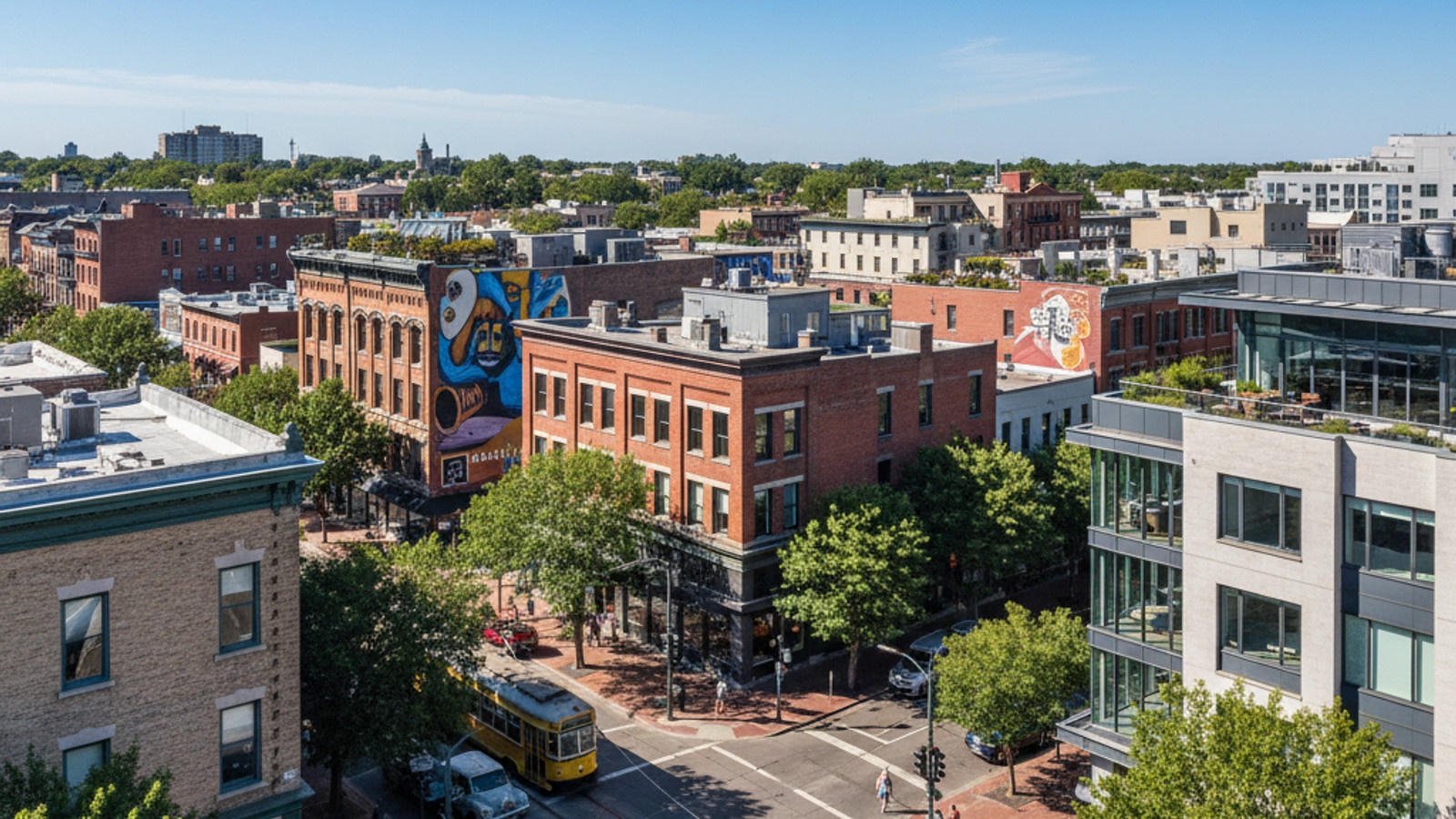
Kansas City, Missouri, is widely recognized for its renowned barbecue, rich culture, and robust job opportunities across multiple growing industries. Those relocating or visiting often wonder if the reality of daily life matches the city’s vibrant and welcoming reputation. Evaluating the area properly requires moving beyond rumors to examine actual neighborhood data.
Answering the core question – Is Kansas City, MO Safe? – requires looking past subjective opinions and focusing directly on objective crime statistics. Like any major metropolitan area in the U.S., the urban core experiences different dynamics than the surrounding suburban areas.
Understanding the distinction between the city proper (KCMO), the Kansas side, and the broader metro area is essential for evaluating property crime and violent crime. Recent data shows a promising downward trend in historical areas of concern, signaling positive changes for the community. Reviewing these localized numbers provides a clear picture of what to expect when moving to the region.
Kansas City Crime Rates and Statistics
Evaluating Kansas City crime requires comparing local FBI crime statistics against the broader U.S. national average. Historically, KCMO has appeared on lists of dangerous cities due to concentrated incidents occurring in specific urban zones.
Recent local police data from 2025 and early 2026 reveals a significant statistical shift in the right direction. Homicides fell by 5 percent to reach their lowest point since 2018, while non-fatal shootings decreased by a notable 31 percent. These reductions reflect a concerted effort to improve public safety and community well-being.
Property crime is also seeing improvements driven by the Kansas City Police and active neighborhood watch programs. Auto theft dropped by 32 percent recently, directly lowering the statistical chance of being a victim of motor vehicle theft or burglary. These positive trends provide reassurance for those considering purchasing real estate within the city limits.
Safety by Region: North Kansas City vs. South Kansas City vs. Platte City
The Kansas City metro spans a massive geographic area with distinct regional differences in crime rates and statistics. North Kansas City, often called the Northland, features expansive suburban areas with strong public transit and lower overall crime rates.
South Kansas City presents a more geographically diverse landscape with varying levels of reported incidents depending on the specific zip code. Moving further south toward suburbs like Overland Park, Kansas, the data shows very low-crime pockets that report minimal property incidents. These southern corridors benefit from well-funded municipal services and active community engagement.
Platte City stands out as a suburb with low crime statistics located just north of the KCI airport. This area boasts a violent crime rate of less than 1 per 1,000 residents, contrasting sharply with higher urban averages found closer to downtown. Relocating professionals often target this region for its robust infrastructure and tranquil environment.
Safest Neighborhoods in Kansas City
Identifying the safest neighborhoods in Kansas City involves looking at areas with A or B safety ratings based on current municipal analytics. These locations generally offer excellent walkability, reliable public transportation, and close proximity to local commercial amenities. High-density residential zones with active street-level businesses tend to deter opportunistic theft.
Buyers looking at homes for sale in Kansas City will find diverse housing options in these highly rated zones. Typical home prices in these desirable districts often range between $350,000 and $500,000 depending on square footage and transit access.
The city core and its immediate borders feature several standout districts with lower historical property crime. Surrounding municipalities also provide strong alternatives for those seeking a quieter environment with larger lot sizes. The following areas consistently rank well for both low crime and high quality of life.
- Waldo: Known for its grid layout and local shops, this KCMO neighborhood maintains lower crime statistics than the downtown average.
- River Market: This highly walkable area features dense housing and consistent foot traffic, contributing to lower localized crime rates.
- Crossroads Arts District: A vibrant cultural hub where active nightlife and ample surveillance keep incidents relatively low.
- Overland Park and Lenexa: Located on the Kansas side, these suburban areas consistently report violent crime rates well below the U.S. national average.
- Lee’s Summit and Blue Springs: These Missouri suburbs offer larger housing footprints while maintaining excellent safety ratings and low theft reports.
Is Kansas City Safe for Tourists and at Night?
Tourists visiting popular spots like the Power & Light District, Crossroads, and stadium areas generally benefit from a high sense of security. These entertainment hubs feature ample surveillance and a visible police presence to deter theft and robbery.
Navigating the city at night requires basic urban precautions, such as sticking to well-lit areas with high foot traffic. Utilizing public transit or rideshares is recommended over walking long distances through empty commercial districts after hours. Maintaining situational awareness is the most effective way to navigate any major metropolitan nightlife scene.
As in any large city, locals suggest being aware of your surroundings after dark, particularly in less-populated or poorly lit areas. Parking in secure, paid lots is also a practical step to prevent motor vehicle theft while enjoying the local entertainment. Taking these simple steps ensures a smooth and secure experience when visiting the urban core.
Diversity and Inclusivity: Exploring the Community Landscape
Kansas City possesses a rich cultural history deeply rooted in Jazz and diverse community development. Many prospective residents search for data regarding whether the metro is a welcoming environment for Black people and other minority groups. The city actively works to foster inclusive spaces through various cultural festivals and civic organizations.
The city features numerous community-led initiatives focused on equality, quality of life improvements, and bridging police and community relations. These active local diversity programs work to ensure equitable resource distribution across all Kansas City neighborhoods. Civic leaders consistently prioritize funding for public parks, community centers, and local arts initiatives.
Factual community demographics show a highly varied population distributed across both the Missouri and Kansas side. Ongoing investments in infrastructure and public spaces continue to support a connected and inclusive environment for all residents. This commitment to community growth makes the region an appealing destination for a wide range of professionals.
What the Locals Say: Reddit Consensus on Kansas City Safety
Local forums and Reddit threads provide an essential on-the-ground perspective for those moving to Kansas City. The common narrative centers around one point – living in Kansas City is a great experience if you understand the block-by-block dynamics of urban areas.
Commenters frequently advise newcomers to research specific intersections rather than writing off entire zip codes based on outdated reputations. Many locals highlight the high sense of security found in the suburbs, contrasting it with the heightened awareness needed downtown at night. This nuanced view helps incoming residents set realistic expectations for daily urban life.
Discussions often weigh the favorable cost of living and strong job opportunities against localized crime data. Most residents agree that practicing standard situational awareness mitigates the vast majority of property crime risks within the city limits. Ultimately, the consensus points to a vibrant city where the benefits of community and culture strongly outweigh the urban challenges.
Frequently Asked Questions
Is Kansas City, MO safe to live in?
Yes, Kansas City is generally safe to live in when you understand the regional dynamics and choose neighborhoods based on objective data. Statistics from 2025 showed that homicides fell by 5 percent and auto theft dropped by 32 percent.
What is the safest part of Kansas City, MO?
The safest parts of the metro are typically found in the surrounding suburban areas like Platte City, Overland Park, and Lee’s Summit. Within the city limits, neighborhoods like Waldo and the River Market maintain strong safety ratings and lower property crime.
Is it safe to walk around in Kansas City?
Walking around Kansas City is largely secure during the day, especially in high-traffic districts like the Crossroads Arts District. At night, pedestrians should stick to well-lit tourist hubs and use public transportation rather than walking through isolated blocks.

Dani Beyer, a Kansas City native, began her career in real estate in 2004 after working in the tech industry. Since then, she's helped thousands of families turn their dreams into keys! Dani is now the CEO and Lead Listing Specialist of 'Dani Beyer Real Estate' brokered with Keller Williams KC North. With 820+ Five Star reviews, she specializes in helping buyer and sellers in the Kansas City Northland.