
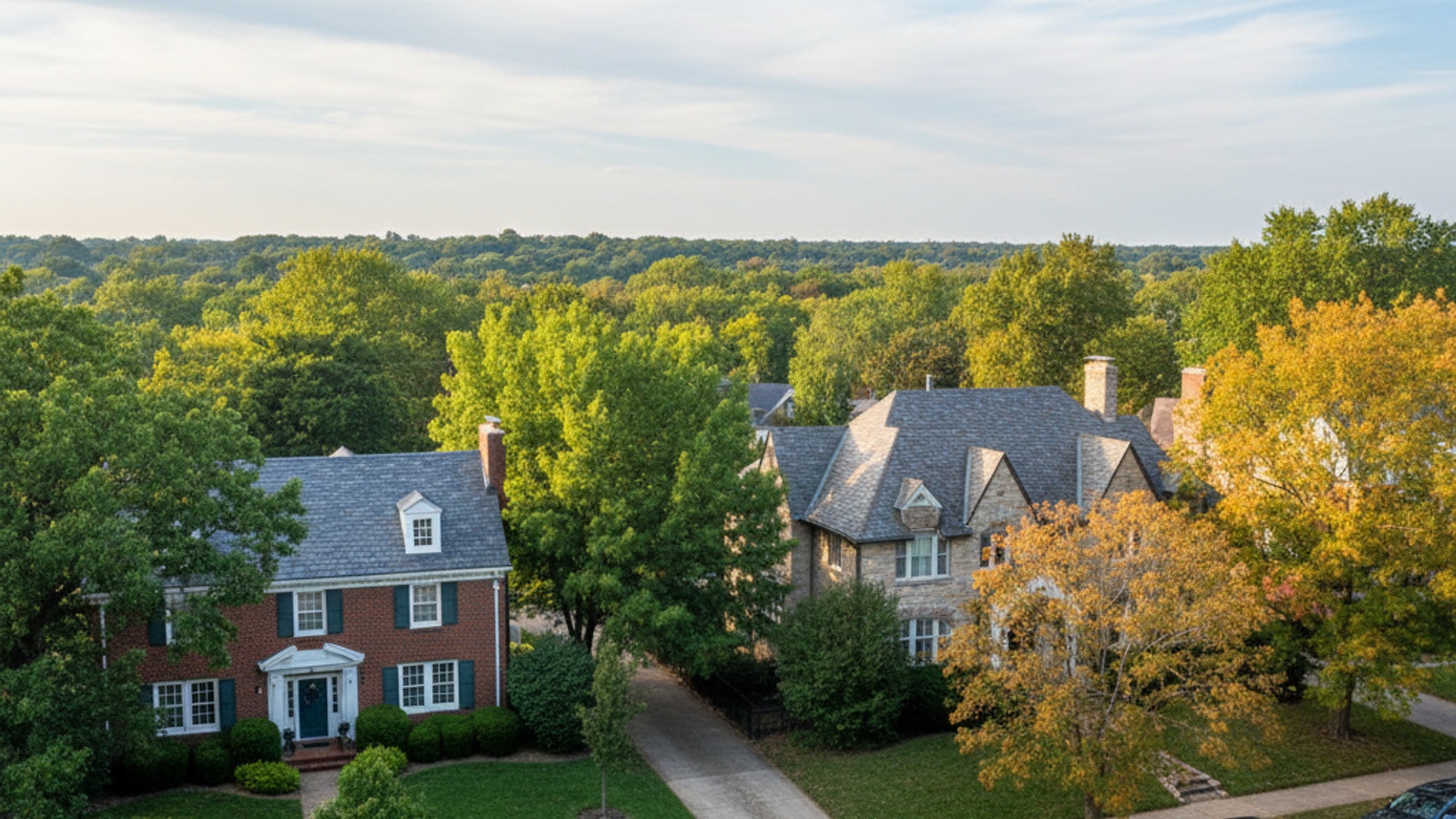
Relocating to the Midwest means adjusting to a dynamic environment where the forecast can shift rapidly from day to day. Understanding the weather and climate in Kansas City MO is a crucial step for anyone buying a home here. Living in Kansas City, Missouri means experiencing a true four-season climate, bringing everything from hot, sunny summers to crisp, snowy winters.
Local weather conditions dictate more than just your daily wardrobe choices and weekend plans. They deeply influence how you maintain your property, the type of landscaping that thrives in your yard, and your overall utility costs. Knowing what to expect year-round helps you prepare your new home for whatever the skies deliver.
Whether you are evaluating historic properties or new constructions, factoring in the climate is essential for long-term comfort. Buyers who research these patterns are better equipped to handle seasonal maintenance and severe storm events. This guide breaks down exactly what new residents need to know about the local environment.
Understanding the Kansas City Climate Classification
Kansas City sits in a humid continental climate zone, which means residents experience significant temperature variations throughout the year. You will see distinct seasonal changes, with intensely hot summers and sharply cold winters defining the local calendar. This geographic positioning right in the middle of the country leaves the area exposed to colliding air masses from the north and south.
These shifting atmospheric patterns mean a sudden thunderstorm is possible one afternoon, followed by heavy, cloudy skies the next morning. Tracking the 10-day weather forecast becomes a regular habit for locals planning outdoor activities or exterior home repairs. Being prepared for these sudden mo weather shifts makes living in the area much more manageable.
Modern weather forecasting has made it much easier to anticipate these rapid changes before they arrive. Having reliable alerts on your phone ensures you are never caught off guard by a sudden drop in temperature. Staying informed allows homeowners to protect their gardens, vehicles, and exterior plumbing from unexpected freezes or high wind.
Seasonal Weather Breakdown for Local Residents
Each season in the Kansas City metro brings its own distinct character and set of homeownership considerations. The transition periods during spring and fall are particularly active, often generating rapid changes in temperature and atmospheric pressure. Understanding these cycles is vital for anyone looking at homes for sale in Kansas City, whether you are browsing $300,000 bungalows or larger suburban builds.
Home buyers should carefully consider how these seasonal extremes will impact their daily routines and commuting routes. From managing heavy spring runoff to keeping the house cool in July, every month requires a slightly different approach to property upkeep. Preparing your home in advance of each season saves time and prevents costly emergency repairs.
Spring Showers and Storms
Spring is characterized by warming temperatures and highly variable weather conditions that keep residents on their toes. May is typically the wettest month, bringing a high chance of rain and frequent scattered thunderstorms across the metro. The persistent rainfall is excellent for local parks and gardens, but it requires homeowners to keep their gutters completely clear.
During this season, the ground can become heavily saturated, making proper yard grading essential for keeping water away from your foundation. Sump pumps often run continuously during heavy spring downpours to prevent basement water intrusion. Checking your weather radar daily helps you plan around the most severe spring storm systems.
Hot and Humid Summers
Summer brings intense heat and high humidity, with July standing out as the hottest month of the year. Average highs frequently reach between 85 and 90 degrees, and the urban heat effect can make the city center feel even warmer. A reliable air conditioning system is absolutely essential for surviving the peak summer months comfortably.
The high humidity levels can also impact how your home feels, often requiring dehumidifiers in basements to prevent moisture buildup. Extended dry spells during late summer can stress local lawns, making automated irrigation systems a popular feature for local homes. Utility bills tend to peak during this season as cooling systems work overtime.
Crisp Fall Transitions
Fall offers a welcome reprieve with cooling temperatures and generally stable conditions. Residents usually enjoy mostly cloudy to clear skies, making it an ideal time for outdoor home maintenance and neighborhood walks. This season provides a brief, pleasant window before the freezing winter temperatures inevitably arrive.
The changing foliage creates beautiful streetscapes, but it also means homeowners must stay diligent about raking leaves. Clearing debris from storm drains prevents street flooding during late autumn rain showers. Fall is also the perfect time to schedule an annual furnace inspection before the first major cold snap hits.
Cold and Snowy Winters
Winter introduces freezing conditions, with January usually serving as the coldest month as temperatures drop into the 20s. The area receives measurable snowfall, requiring dedicated winter preparation like insulating pipes and sealing drafty windows. Even during the colder months, a sudden shift in the wind can bring a temporary thaw.
Navigating the roads after a winter storm requires caution, though local municipalities are generally well-equipped for snow removal. Homeowners must shovel their driveways and sidewalks promptly to prevent dangerous ice accumulation. Investing in good thermal curtains can also help reduce heating costs during the darkest winter months.
Average Temperature and Precipitation Trends
The Kansas City area receives an average annual rainfall of 38 to 42 inches. This consistent moisture supports lush local vegetation but also demands proper yard grading to keep water away from your home. Late spring remains the most active period for heavy downpours that test local drainage systems.
When winter arrives, the metro area averages about 15 to 20 inches of snowfall annually. While not as extreme as northern states, this snow accumulation is enough to require a sturdy shovel and reliable winter tires. During seasonal transitions, you can expect typical wind speeds around 10 to 15 mph.
Understanding these baseline numbers helps new residents budget for seasonal utility costs throughout the year. Homes with excellent insulation and modern HVAC systems will handle these temperature swings much more efficiently. Checking the local radar regularly will help you anticipate when the next major rain or snow event is approaching.
Managing Extreme Weather and Tornado Risk
Severe weather is a reality of living in the Midwest, and Kansas City is located near the eastern edge of Tornado Alley. While this geographic placement sounds intimidating, modern forecasting provides ample warning time for residents to take shelter. Understanding the local alert systems is the best way to maintain peace of mind during storm season.
It is important to know the difference between a weather watch, which means conditions are favorable for a storm, and a warning, which means severe weather is actively occurring. During the spring and summer, the risk of severe thunderstorms, high winds, and sudden flash floods increases significantly. You should always have a practical emergency plan in place when severe missouri weather strikes.
When the local sirens sound, the safest place to be is on the lowest floor of your home, ideally in a windowless interior room or a basement. Many homes in the area are built with deep basements specifically to provide secure shelter during high wind events. Investing in a NOAA Weather Radio ensures you receive critical updates even if the power goes out.
Recent Climate Shifts in the Kansas City Metro
Like many regions, Kansas City has experienced gradual climate changes over the past few decades. Meteorological data shows a general warming trend, leading to an increased number of days pushing past 90 degrees. This shift also results in warmer, more humid summer nights that rarely cool down significantly.
Another notable change is the increase in heavy precipitation events across the region. When rain does fall, it often comes down in intense bursts, which can elevate local flood risks in low-lying areas. Home buyers should pay close attention to property elevation and local drainage infrastructure when evaluating a neighborhood.
These changing atmospheric patterns have also extended the local allergy season for many residents. With the first frost arriving later in the fall, plants continue to produce pollen much deeper into the year. Upgrading your home air filters to high-efficiency models can help mitigate the impact of these longer allergy seasons indoors.
Essential Home Maintenance for the Local Climate
Protecting your real estate investment requires staying ahead of the dynamic kansas city weather. Routine maintenance prevents minor seasonal wear from turning into expensive structural damage down the line. By following a seasonal checklist, you can keep your property in excellent condition year-round.
A proactive approach is always more cost-effective than dealing with emergency repairs after a storm. Whether you own a historic property or a brand-new build, the local climate demands consistent, year-round attention. Setting calendar reminders for these tasks ensures your home remains protected against the elements.
Staying organized is the easiest way to manage your property upkeep. Here are the essential maintenance tasks local homeowners should prioritize during each distinct season:
- Spring: Clean your gutters to handle heavy May rains and inspect your roof for any lingering winter damage.
- Summer: Service your HVAC units to combat high heat and secure outdoor furniture when a thunderstorm is possible.
- Fall: Rake leaves promptly to prevent yard damage and ensure your sprinkler systems are fully winterized.
- Winter: Insulate exposed pipes, check weatherstripping around doors, and keep snow removal tools easily accessible.
Frequently Asked Questions
What type of climate does Kansas City have?
Kansas City has a humid continental climate, meaning it experiences four distinct seasons with significant temperature swings. Residents enjoy warm, humid summers and cold, snowy winters. This midwestern positioning means the area sees about 38 to 42 inches of rain annually.
What are winters like in Kansas City, MO?
Winters are generally cold and freezing, with January average temperatures frequently dropping into the 20s. The metro area receives roughly 15 to 20 inches of snow each year, which heavily impacts daily commutes. Homeowners must prepare their properties by winterizing pipes and ensuring heating systems are fully operational.
Does Kansas City have a high risk of flooding?
Certain low-lying areas near local rivers and creeks do carry a higher risk of flash flooding during heavy spring rains. May is typically the wettest month, making proper home drainage and sump pumps critical for properties in valleys. Buyers should always review local flood maps before purchasing a home in the metro area.
Is July the hottest month in Kansas City?
Yes, July is consistently the hottest month of the year in the region. Average high temperatures typically hover between 85 and 90 degrees, accompanied by intense high humidity levels. Running a well-maintained air conditioning system is absolutely necessary to stay comfortable during this peak summer heat.

Dani Beyer, a Kansas City native, began her career in real estate in 2004 after working in the tech industry. Since then, she's helped thousands of families turn their dreams into keys! Dani is now the CEO and Lead Listing Specialist of 'Dani Beyer Real Estate' brokered with Keller Williams KC North. With 820+ Five Star reviews, she specializes in helping buyer and sellers in the Kansas City Northland.