
Relocating to the Midwestern United States often brings up a common geographical puzzle for buyers. When evaluating a move to the Kansas City metropolitan area, new residents quickly realize the city spans a state line. Moving to Kansas City MO puts you at the cultural and economic center of a growing region with over 2.2 million residents.
The Missouri side holds the vibrant downtown core, distinct historic districts, and the majority of the area’s major entertainment venues. While the Kansas side features expansive suburban developments, KCMO offers a unique blend of urban living and established residential streets. Buyers looking at homes for sale in Kansas City often find the Missouri side delivers deeper architectural character and shorter commute times to central business hubs.
Cost of Living in Kansas City: MO vs. KS
Navigating the cost of living in Kansas requires understanding the distinct financial differences across the state line. The overall cost of living in KCMO runs approximately 9 to 11 percent below the national average. This lower cost of living translates directly into more purchasing power for groceries, daily expenses, and real estate.
Median home prices in KCMO generally range between $274,000 and $320,000 as of early 2026. This presents a stark contrast to neighboring areas like Overland Park, Kansas, where property values and property taxes often skew higher. Buyers frequently choose the Missouri side to secure more square footage while keeping their monthly mortgage payments manageable.
Utility costs and property tax rates vary significantly depending on which municipality you choose. Missouri residents often benefit from a different tax structure that can lower annual ownership costs compared to Kansas suburbs. The financial advantage of KCMO is clear for buyers prioritizing affordable housing without sacrificing access to commercial amenities.
Kansas City MO Job Market and Major Employers
A major draw for professionals deciding to move to KC is the robust and diverse local economy. The regional unemployment rate hovers around a stable 4.2 percent, supported by steady growth in healthcare, technology, and manufacturing. The metro area has added nearly 25,000 jobs recently, signaling strong economic momentum for relocating workers.
Several major corporate headquarters anchor the employment landscape on the Missouri side. Companies like Hallmark, H&R Block, and Oracle Health provide thousands of steady job opportunities for local residents. These corporate giants create a dense network of vendor and support businesses throughout the Kansas City area.
The University of Missouri-Kansas City also plays a critical role in shaping the local workforce. The university network supplies a steady stream of graduates into the local market, particularly in medical and engineering fields. Choosing to live close to these economic hubs drastically reduces daily commute times for many professionals.
Top Neighborhoods to Live in Kansas City, MO
The neighborhoods in Kansas City offer distinct architectural styles and varying levels of residential density. Buyers can choose between high-rise condos, converted warehouse spaces, and early 20th-century single-family homes.
Each district provides different objective amenities, from immediate highway access to dedicated bike lanes and public transit stops. Finding the right fit depends entirely on your daily routine and housing preferences.
Crossroads Arts District
Located south of the loop, Crossroads, Kansas City stands out for its high walkability scores and dense concentration of galleries that define the local arts scene. This area provides true urban living with immediate proximity to Downtown Kansas City and major employment centers.
Residents here utilize the KC Streetcar to navigate the urban core without relying on a personal vehicle. The housing inventory consists almost entirely of modern condos and renovated industrial lofts.
River Market
Located just north of the downtown loop, the River Market area is built around the historic City Market. This neighborhood offers excellent access to local produce vendors, retail shops, and the northern terminus of the tram line.
The residential options feature a heavy mix of loft-style apartments with exposed brick and river views. It remains a top choice for buyers prioritizing transit access and daily walkability.
Brookside
Brookside shifts away from the dense urban core to offer historic architecture and tree-lined streets. The neighborhood features a dedicated commercial center with local retail shops, grocery stores, and restaurants.
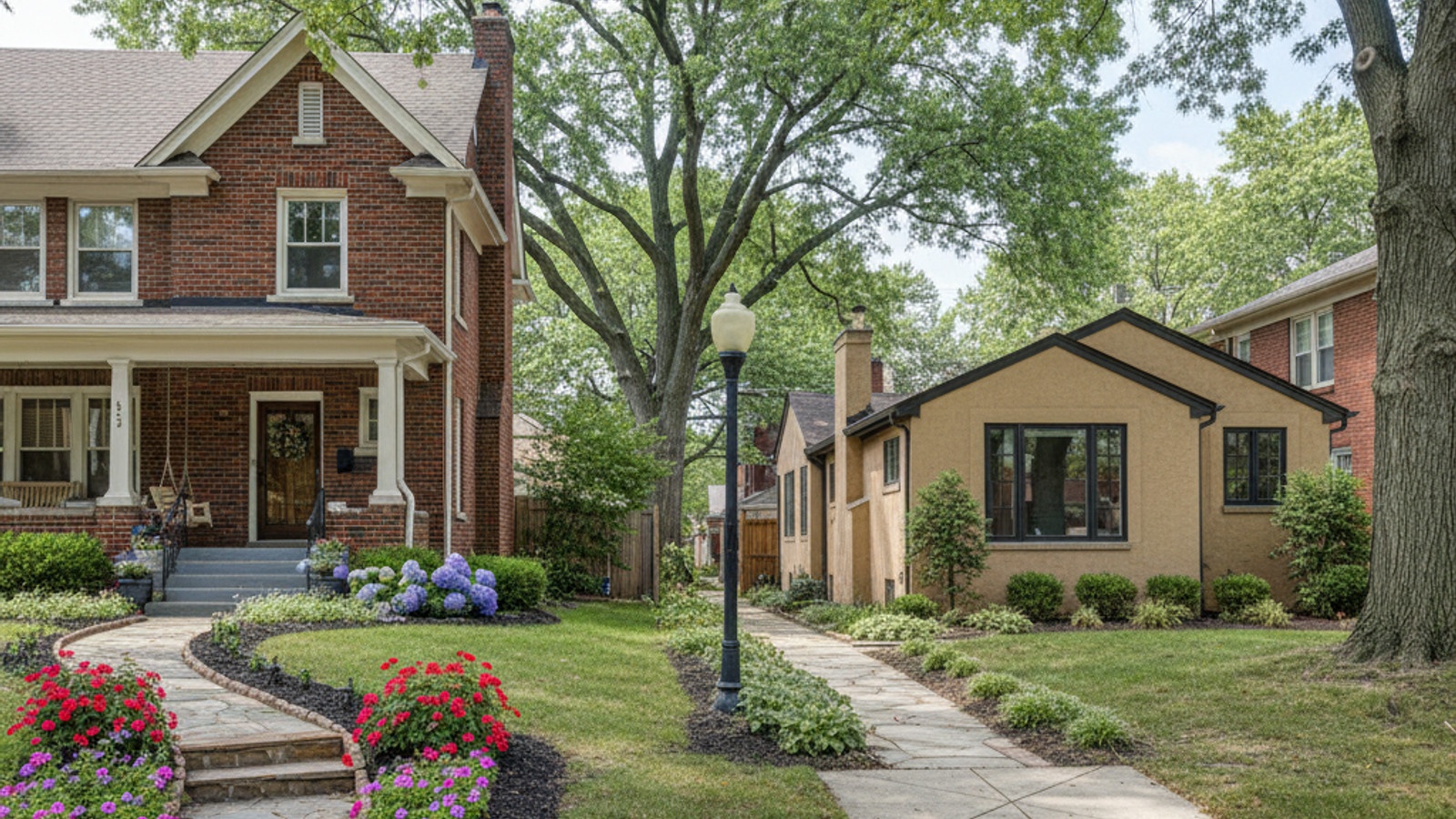
Homes here are predominantly classic Tudors and colonials built in the 1920s. The area provides easy access to public parks, running trails, and proximity to highly rated local schools.
Plaza Area
The Country Club Plaza area is defined by its striking Spanish-style architecture and upscale retail environment. This district sits directly adjacent to the Nelson-Atkins Museum of Art and several large public park spaces.
Housing in the Plaza area blends luxury condominium buildings with historic single-family homes on the surrounding blocks. It serves as a major cultural and commercial hub for the southern portion of the city.
Lifestyle, Culture, and Entertainment
The cultural identity of the region is deeply tied to its culinary history and musical roots. Kansas City, Missouri is globally recognized for its barbecue scene, with legendary establishments like Joe’s Kansas City and Jack Stack anchoring the local food culture. Residents take immense pride in regional smoking techniques and signature sauces.
The city also holds a foundational place in American music history, specifically regarding its deep jazz heritage. The American Jazz Museum anchors the historic 18th and Vine district, preserving this legacy for residents and visitors. Nightlife venues like the Green Lady Lounge continue to host live performances every night of the week.
Beyond food and music, an intense sports culture unifies the entire metropolitan area. Game days for the Chiefs and Royals dictate the social calendar and drive heavy traffic to the stadium complexes. For weekend outings, the Kansas City Zoo & Aquarium features expansive, interactive exhibits accessible to all ages.
Pros and Cons of Moving to Kansas City
Evaluating a move to the region requires weighing the objective benefits against the geographical realities. The area offers significant financial advantages, but the climate and infrastructure present specific challenges.
Buyers should carefully consider how these factors align with their daily routines and long-term financial goals. Here is a breakdown of the primary advantages and drawbacks of relocating to the region.
- Lower cost of living and highly affordable housing compared to coastal markets.
- Robust job market anchored by major healthcare, tech, and manufacturing headquarters.
- Rich cultural amenities, including world-class museums, jazz venues, and professional sports.
- Extreme Midwestern weather patterns, featuring highly humid summers and freezing winter temperatures.
- Limited public transit infrastructure outside of the immediate downtown streetcar loop.
Frequently Asked Questions
Is it cheaper to live in Kansas City MO or KS?
The Missouri side generally offers more affordable housing options and lower median home prices than the Kansas suburbs. While KCMO homes average around $274,000 to $320,000, areas like Overland Park often command significantly higher premiums. Property taxes and utility rates also differ, frequently giving the Missouri side the financial edge.
What salary is needed to live comfortably in Kansas City?
Because the cost of living sits roughly 10 percent below the national average, a salary of $65,000 to $75,000 covers basic expenses and housing for a single professional. This income allows for manageable mortgage payments on a median-priced home while leaving room for savings. Dual-income households earning over $100,000 gain significant purchasing power in this market.
What should I know before moving to Kansas City, MO?
You should prepare for a car-dependent lifestyle unless you purchase a home directly along the downtown streetcar route. Understanding the distinct tax differences between Missouri and Kansas is also crucial before making an offer on a property. Finally, expect to experience all four seasons intensely, requiring proper preparation for both summer humidity and winter snow.

Dani Beyer, a Kansas City native, began her career in real estate in 2004 after working in the tech industry. Since then, she's helped thousands of families turn their dreams into keys! Dani is now the CEO and Lead Listing Specialist of 'Dani Beyer Real Estate' brokered with Keller Williams KC North. With 820+ Five Star reviews, she specializes in helping buyer and sellers in the Kansas City Northland.