
Kansas City has seen a massive shift in urban living over the last decade, and the neighborhoods surrounding the urban core are drawing intense interest. Buyers looking for classic architecture paired with walkable transit options are increasingly focusing their searches on the midtown corridor.
Finding a home in Hyde Park Kansas City MO means stepping into a community defined by century-old craftsmanship and immediate access to major city amenities. With the recent expansion of local streetcar lines and steady property appreciation, navigating this specific neighborhood requires a firm understanding of its micro-markets.
Hyde Park Kansas City MO Real Estate Market Trends
The 2026 housing market in this area is heavily segmented by geography, meaning buyers will encounter vastly different price points depending on which pocket they explore. North Hyde Park currently commands the highest premiums, with median home prices hovering around $615,000 due to the larger historic footprints and expansive lots.
Moving south, the pricing dynamics shift noticeably. Central Hyde Park properties show a median value of approximately $512,000, while South Hyde Park offers a more accessible entry point with median prices near $268,000. This inventory is a compelling mix of sprawling single-family homes and established apartment buildings that have been converted into modern condominiums.
Buyers need to pay close attention to the specific block when evaluating property values here. Navigating the differing price points between the eastern edge near Troost Avenue and the western boundary along Gillham Road requires moving quickly on well-priced listings, as the demand for transit-adjacent real estate continues to outpace available inventory.
Architectural Styles in Historic Hyde Park
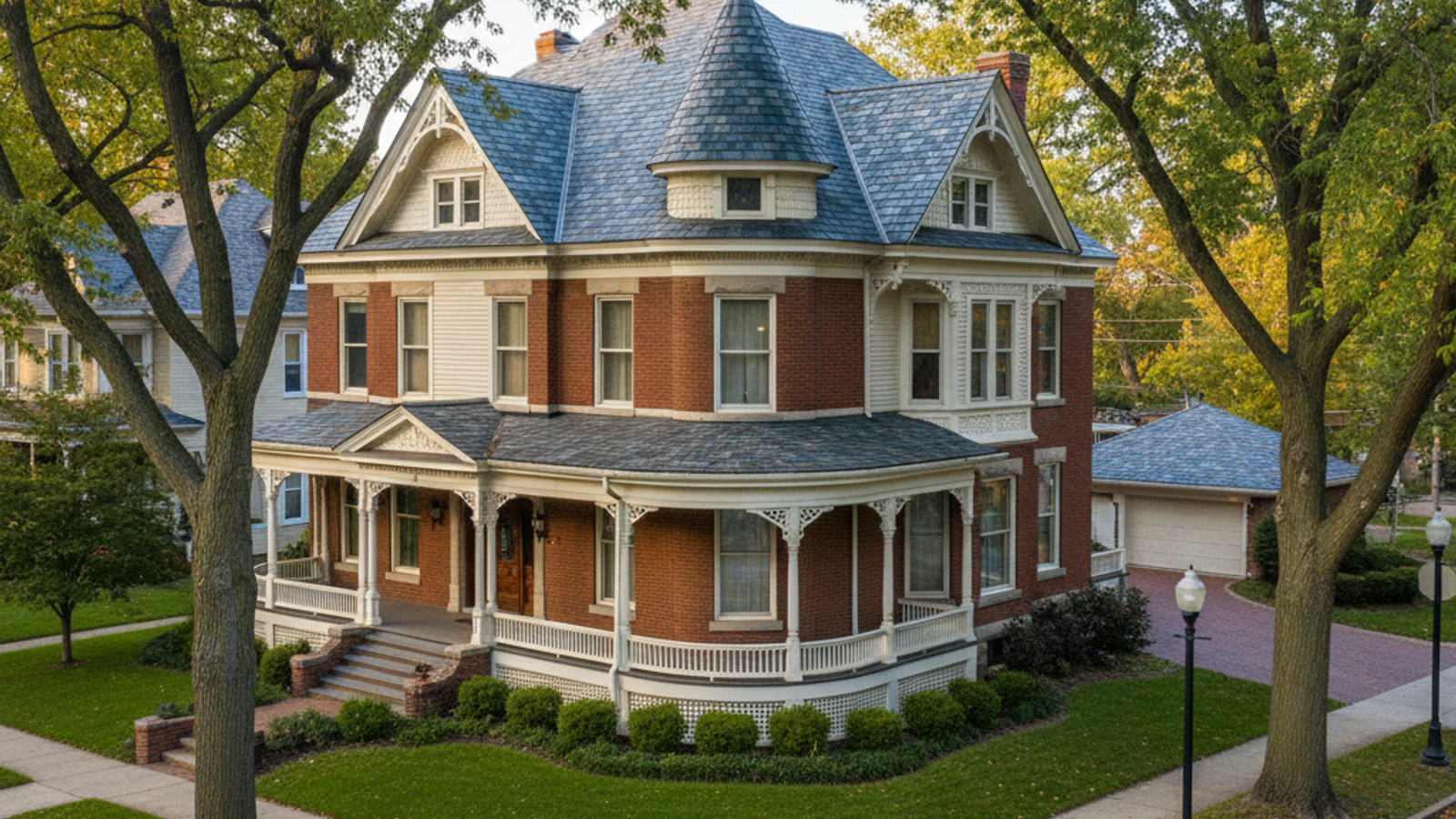
The visual identity of this midtown enclave is rooted in the late 1880s through the early 1900s, offering some of the most preserved residential architecture in Missouri. Buyers touring the area will primarily find a stunning collection of Victorian architecture, Colonial Revival designs, and classic American Foursquare layouts.
One of the most distinctive features of the local market is the abundance of city shirtwaist homes, a structural style unique to Kansas City. These properties typically feature brick or stone on the first level with wood lap or stucco siding on the upper floors, often framed by the mature, tree-lined streets near Armour Boulevard.
Purchasing a home with this level of historical detail comes with specific responsibilities. The strict historic preservation guidelines enforced in the area act as a powerful safeguard for property values, ensuring that exterior renovations maintain the architectural integrity that makes the neighborhood so valuable.
Commuting from Hyde Park to Downtown Kansas City
Transportation infrastructure has fundamentally changed how residents navigate the city. The opening of the free KC Streetcar Main Street Extension in October 2025 completely transformed local walkability and transit access for midtown residents.
Commuters can now expect the streetcar ride from the midtown area to Downtown Kansas City to take approximately 10 to 15 minutes. For those who prefer to drive, the neighborhood is bordered and bisected by major driving corridors, including Broadway, Troost Avenue, and Gillham Road.
This enhanced transit infrastructure is a primary driver of real estate demand in KCMO right now. Buyers should view properties within a short walk of the new streetcar stops as premium assets that will likely see sustained appreciation over the next decade.
Parks, Recreation, and Local Amenities
Access to green space and cultural institutions is a major factor for buyers evaluating the midtown market. The area is anchored by several significant outdoor and cultural attractions that elevate the standard of living for local homeowners.
The neighborhood provides immediate access to several notable destinations. Buyers prioritizing outdoor recreation and nearby entertainment will find these facilities highly appealing:
- Hyde Park: This 39-acre central green space features an extensive trail system and well-maintained local tennis courts.
- Gillham Park: Located along the western edge, this area offers additional recreation space and features historical Santa Fe Trail markers.
- Cultural Hubs: The world-renowned Nelson-Atkins Museum of Art sits just south, while the bustling Westport entertainment district is easily accessible to the west.
These objective local amenities bolster property appeal significantly when compared to surrounding neighborhoods like Squier Park and Southmoreland. Having a 39-acre park and premier art museums within walking distance creates a permanent anchor for local property values.
Schools and Healthcare Facilities Serving Hyde Park
Educational and medical infrastructure are critical components of any real estate investment. Properties in this area fall under the jurisdiction of the Kansas City Public Schools district, which operates several neighborhood and specialized campuses.
The district includes various signature schools that offer specialized curriculums, drawing interest from buyers focused on specific educational programming. On the healthcare front, the neighborhood is situated just minutes from major medical centers, most notably the University Health Truman Medical Center.
Because school assignments can vary significantly from block to block, buyers must independently verify specific address boundaries with KCPS before making an offer. Assuming a property feeds into a specific signature school without checking the current 2026 boundary maps is a common and costly mistake.
Hyde Park Kansas City MO FAQs
Where is Hyde Park in Kansas City?
This neighborhood is centrally located in Midtown Kansas City, primarily covering the 64109 and 64110 zip codes. The official boundaries run from Linwood Boulevard to the north down to Cleaver II Boulevard to the south.
The western edge is defined by Gillham Road, while Troost Avenue marks the eastern boundary. This central positioning provides rapid access to both the downtown loop and the Country Club District.
What is the history of Hyde Park?
The area was primarily developed between the late 1880s and early 1900s as a premium residential district for the city’s growing business class. Central and South Hyde Park were officially added to the National Register of Historic Places between 1980 and 2007.
This historic designation means that single-family homes are subject to specific architectural guidelines. These rules ensure that exterior renovations preserve the original Victorian and Colonial Revival character of the streetscape.
What amenities and local conveniences are available in Hyde Park?
Residents have immediate access to the 39-acre central park that shares the neighborhood’s name, complete with walking trails and tennis courts. The area is also highly walkable, flanked by local coffee shops and businesses along the Troost Avenue and Armour Boulevard corridors.
The recent expansion of the KC Streetcar has further connected these local conveniences to the broader city. Residents can easily commute to the nearby Westport district or downtown without relying on a personal vehicle.

Dani Beyer, a Kansas City native, began her career in real estate in 2004 after working in the tech industry. Since then, she's helped thousands of families turn their dreams into keys! Dani is now the CEO and Lead Listing Specialist of 'Dani Beyer Real Estate' brokered with Keller Williams KC North. With 820+ Five Star reviews, she specializes in helping buyer and sellers in the Kansas City Northland.