
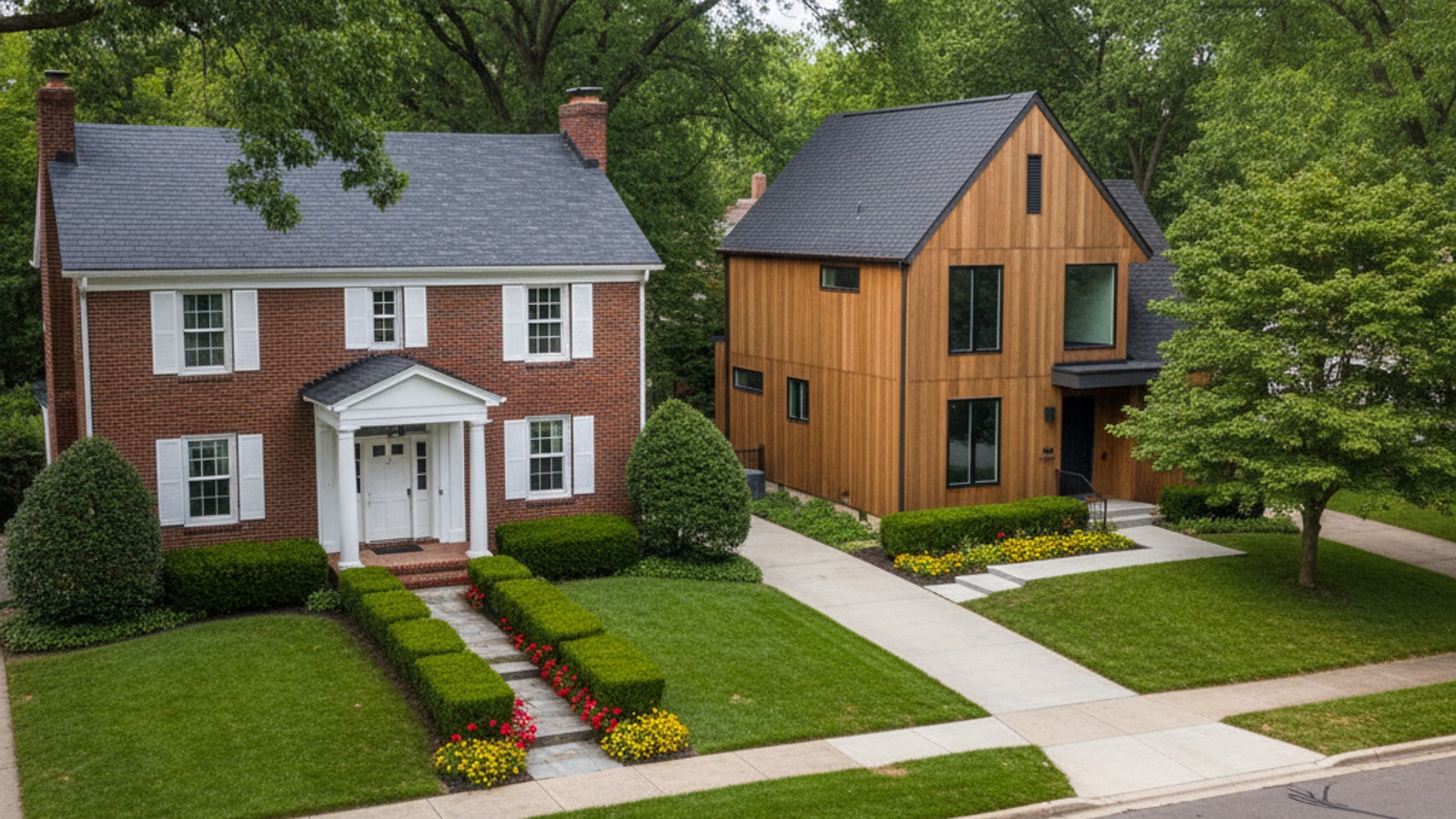
Purchasing a home in the Kansas City metro involves more than just calculating your principal and interest payments. Homeowner association dues are a major factor in the 2026 real estate market, directly impacting your monthly carrying costs and overall purchasing power. Whether you are looking at a sleek loft in the Crossroads or a sprawling subdivision in the Northland, these recurring fees are unavoidable in many neighborhoods.
Understanding HOA fees Kansas City, MO requires looking beyond the monthly sticker price to see the actual value provided to the property. A well-managed association protects property values and maintains community infrastructure, while a poorly funded one can lead to sudden financial headaches. Buyers must carefully review these costs to ensure their total housing budget remains comfortable long after closing day.
Average HOA Fees in Kansas City by Property Type
The cost of community association dues varies wildly across the metro area depending on the exact location, property style, and level of shared amenities. High-density urban developments naturally carry different maintenance burdens than sprawling suburban subdivisions. Buyers often face a stark tradeoff between a lower initial purchase price and higher monthly carrying costs, especially when looking at attached housing.
In my experience, buyers who fail to factor these monthly dues into their total mortgage calculations often find their budgets severely strained. You should always evaluate the association fee as a permanent utility bill that will likely increase over time. Understanding the baseline averages for different property types helps you spot potential red flags before making an official offer.
Downtown Condominiums and High-Rises
Vertical living in the city center comes with extensive infrastructure needs, making these assessments some of the highest in the region. Monthly condo association fees typically range from $300 to over $700, depending heavily on the building’s age and the extent of full-service amenities. Older buildings often charge higher rates to compensate for deferred maintenance and aging mechanical systems.
These higher monthly costs are balanced against relatively accessible purchase prices, with downtown condo listings sitting between $265,000 and $375,000 in early 2026. The dues generally cover premium services like 24/7 security, elevator maintenance, fitness centers, and rooftop pools. Buyers get a highly amenitized lifestyle, but they pay a premium for the convenience of shared building upkeep.
Suburban Single-Family Homes in the Northland
Master-planned single-family neighborhoods, such as those found across the Northland, offer a completely different fee structure. Suburban HOA fees are much lower, typically ranging from $150 to $300 per month. These associations generally focus on neighborhood upkeep rather than structural building maintenance, which keeps monthly costs quite manageable.
Even with lower fees, residents still gain access to valuable community features that enhance the neighborhood. These dues typically fund community swimming pools, clubhouse access, and common area landscaping at subdivision entrances. With Northland single-family home median prices ranging from $342,000 to $395,000 in 2026, these modest fees represent a very small percentage of the overall housing expense.
What Do Typical Kansas City HOA Dues Cover?
Monthly assessments serve a very specific purpose by pooling neighborhood resources to pay for shared community infrastructure. Homeowners are essentially funding a micro-government that handles collective expenses, from master insurance policies to seasonal landscaping. You must review the specific association by-laws and governing documents to see exactly what utilities or services are included in a given neighborhood.
A well-funded HOA is the strongest defense against sudden financial shocks and decaying property values over time. Buyers should view a comprehensive coverage list as a benefit rather than a burden, as it often replaces out-of-pocket expenses you would otherwise pay individually. Transparent associations with robust reserve funds are always the smartest investments for prospective homeowners.
Essential Maintenance and Shared Amenities
The day-to-day operational costs of a neighborhood quickly add up, and regular dues keep these shared spaces functional. Master policies cover insurance for common areas and exterior building structures, which is especially critical for townhomes and condos. Some associations even bundle basic utilities like water, trash collection, or internet directly into their monthly fees.
Beyond basic maintenance, your monthly payment often grants access to physical amenities that would be prohibitively expensive to build on your own. Common inclusions typically feature:
- Routine property management tasks like lawn care and snow removal.
- Maintenance for community swimming pools and fitness centers.
- Upkeep for tennis courts, walking trails, and neighborhood parks.
- Repairs to shared private roads and parking structures.
Missouri HOA Laws and Local Regulations
The legal framework governing homeowner associations dictates exactly how boards can operate and what rights property owners hold. Interestingly, MO does not have a single, all-encompassing HOA statute for single-family homes. These suburban associations rely instead on the Missouri Nonprofit Corporation Law to establish their legal authority and operational boundaries.
Buyers must take these governing documents seriously because associations wield significant legal power over your property. HOAs have the legal authority to enforce covenants, impose strict fines, and levy late fees for non-compliance. Ignoring association rules or missing payments is a dangerous game that can quickly jeopardize your homeownership.
The Missouri Uniform Condominium Act
Condo associations face much stricter statutory guidelines than single-family neighborhoods under state law. The Missouri Uniform Condominium Act, found in RSMo Chapter 448, mandates specific rules for governance, dispute resolution, and the collection of condo fees. This legislation provides a rigid framework that protects both the association and the individual unit owners.
Prospective buyers are strongly advised to review the condo board’s financial health during their inspection period. The Act requires certain disclosures, which helps buyers avoid purchasing a unit in a building plagued by deferred maintenance. Examining the reserve study and meeting minutes will reveal exactly how well the building complies with state regulations.
Handling Fee Increases and Special Assessments
Operating costs rise naturally with inflation, meaning flat HOA fees over multiple years can actually be a massive red flag for underfunding. Monthly dues typically increase an average of 3% to 4% annually to keep pace with rising insurance premiums and maintenance contracts. When regular dues fail to cover major repairs, the board will inevitably levy a special assessment.
A special assessment is a one-time charge billed to homeowners to fund unexpected or large-scale community repairs. Missouri law generally requires boards to follow their governing documents when imposing these extra charges, which may require a formal homeowner vote. Understanding the history of special assessments in a neighborhood is crucial before finalizing your purchase.
Frequently Asked Questions
What happens if you don’t pay HOA fees in Missouri?
Non-payment of assessments can lead to severe legal consequences, including the association placing a lien on your property. Under Missouri state statutes, the HOA can ultimately initiate foreclosure proceedings to recover the unpaid debt and legal fees. Homeowners facing financial difficulties should always communicate with their board to arrange a payment plan before legal action begins.
What is considered a reasonable HOA fee in Kansas City?
A reasonable fee depends entirely on the property type, with suburban single-family homes averaging $150 to $300 monthly. Downtown condos typically charge between $300 and $700 per month due to the high costs of elevator maintenance and building insurance. Buyers should compare the monthly cost directly against the specific amenities and services provided to determine true value.
Are HOA fees ever negotiable?
The actual monthly dues set by the association are fixed and cannot be negotiated by an individual buyer. However, you can sometimes negotiate for the seller to cover a portion of the upcoming fees or pay off any active special assessments during closing. This strategy helps reduce your immediate out-of-pocket expenses when taking possession of the property.

Dani Beyer is a Kansas City native, experienced REALTOR®, and CEO and Lead Listing Specialist of Dani Beyer Real Estate, brokered by Keller Williams KC North. With over 20 years of real estate experience, Dani has helped thousands of buyers and sellers navigate the Kansas City housing market. Specializing in Kansas City Northland real estate, including Parkville, Platte County, and Clay County, Dani is known for her local market expertise, strategic home-selling approach, and commitment to exceptional client service. Backed by more than 1,050 five-star Google reviews, Dani and her team are trusted resources for buying, selling, and relocating throughout the Kansas City metro area.