
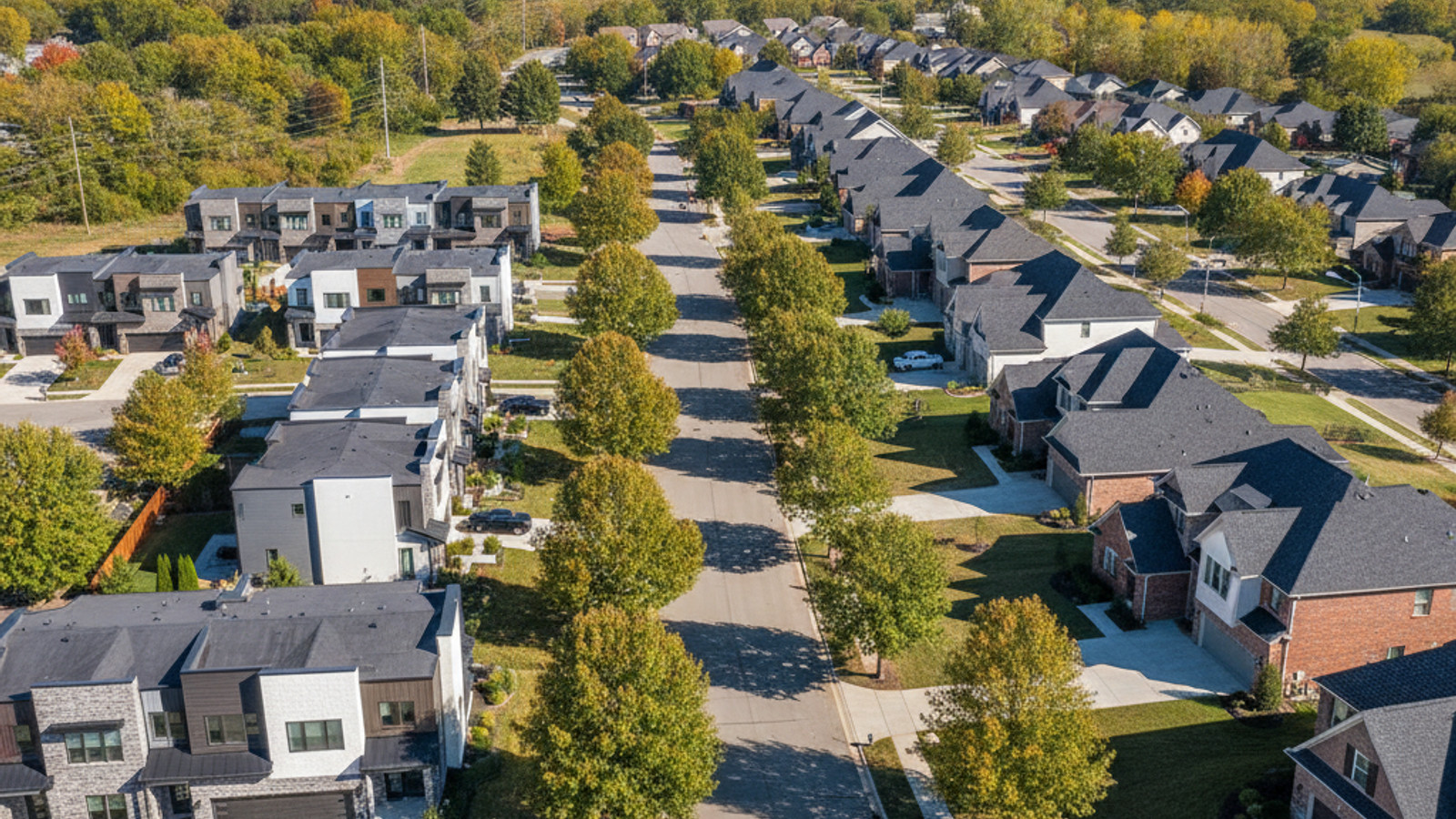
The real estate landscape across the Kansas City metropolitan area has transformed significantly over the past few years. Buyers searching the market today will find a wide variety of fresh construction options stretching from the vibrant downtown sectors to the expansive outer suburbs.
Understanding the layout, pricing, and infrastructure of these neighborhoods is essential before making an investment. New construction offers modern floor plans and energy efficiency, but it also introduces different tax structures and community fees that require careful evaluation.
Navigating this market requires looking past the glossy model homes to evaluate the long-term carrying costs and daily commute realities. The 2026 housing inventory provides distinct opportunities for those prepared with the right local data.
The Boom in New Home Developments in Kansas City, MO
Kansas City continues to operate as a thriving hub for new real estate development. The current construction wave features a robust mix of property types designed to meet varying buyer preferences and budget requirements. Buyers can expect to tour everything from low-maintenance townhomes to expansive single-family estates.
The pricing spectrum for new builds across the metro area remains broad but clearly defined. Entry-level townhomes and maintenance-provided villas generally start around $350,000. For buyers seeking luxury single-family homes on larger footprints, prices frequently reach $700,000 and above.
Securing a property at the lower end of this range typically means acting quickly when new phases open. The demand for modern housing outpaces the delivery of finished lots, making early engagement with developers a distinct advantage.
Featured Home Builders and Floor Plans
Several recognized local developers dominate the current landscape, bringing distinct architectural styles to the region. Summit Homes, Porter Communities, and Lambie Homes represent some of the most active builders delivering inventory in 2026. These developers focus heavily on maximizing functional square footage while incorporating modern design elements.
Buyers evaluating these properties will notice consistent trends in layout and community design. The most prevalent features in today’s developments include:
- Open-concept main levels that seamlessly connect kitchens to living spaces
- Traditional two-story designs alongside sprawling maintenance-provided villas
- Premium lots extending up to a full acre in specialized suburban enclaves
- Integrated community amenities like neighborhood pools and private golf access
Access to these built-in amenities often drives the premium pricing seen in master-planned communities. Buyers should carefully weigh their actual usage of a golf course or pool against the associated community fees.
Commute Times and Major Highways in the Metro
Evaluating daily transit routes is a critical step when selecting a new home location in the Kansas City metro. The region relies on a well-connected network of major highways, specifically I-70, I-35, and US-71. These arteries serve as the primary corridors linking suburban developments to the central business districts.
Residents traveling from the rapidly expanding Northland or the southern suburbs use these routes to reach downtown Kansas City. Driving times from typical new construction areas to major employment centers generally range from 15 to 30 minutes. This efficient grid keeps commute times relatively low compared to other major metropolitan areas of similar size.
Proximity to highway on-ramps plays a major role in property valuation. Homes situated within a five-minute drive of I-35 or US-71 command higher resale values due to the sheer convenience they offer daily commuters.
Local Amenities Near Popular New Build Areas
Access to recreation, dining, and essential services heavily influences the appeal of new communities. Kansas City offers an abundance of major outdoor recreation areas integrated near residential zones. Swope Park stands out as a massive green space offering miles of local trail systems, golf, and community facilities.
Beyond green spaces, buyers prioritize proximity to established retail and dining hubs. The Kansas City River Market provides a bustling center for local commerce, restaurants, and weekend events. Residents in nearby urban developments enjoy immediate access to this vibrant district.
Healthcare infrastructure represents another vital amenity for new neighborhoods. Major hospitals and specialized clinics are strategically located throughout the metro area, ensuring residents rarely travel far for medical care.
Zoned School Districts for the Developments
Geographic boundaries strictly dictate the public education options assigned to specific neighborhoods. Developments in the urban core generally fall within Kansas City Public Schools. Meanwhile, neighborhoods expanding north of the river are primarily zoned for North Kansas City Schools.
These districts maintain precise boundary lines that can sometimes split adjacent subdivisions. Buyers must verify the exact school assignments for their specific lot before finalizing a purchase contract.
Recent infrastructure investments have significantly updated the educational facilities serving these areas. Following the 2025 and 2026 bond improvements, local high schools now feature expanded campuses and modernized technology centers.
Property Taxes and HOA Structures in KC
Understanding the financial carrying costs is just as important as selecting the right floor plan. The Missouri property tax assessment method for residential real estate requires careful calculation. The state assesses residential property at 19% of its total market value before applying local tax levies.
Current county levy rates dictate the final tax bill for homeowners. In areas encompassing Kansas City, MO – such as Jackson and Clay counties – effective property tax rates generally run between 1.04% and 1.34%. Buyers should request estimated tax worksheets from their real estate agent to avoid surprises at closing.
Homeowners associations represent another mandatory monthly expense in nearly all new subdivisions. Typical HOA inclusions cover services like trash collection, snow removal, and common area landscaping. Average monthly HOA fees currently range from $100 to $300, depending heavily on the scope of community amenities.
Frequently Asked Questions
What is the fastest growing area in Kansas City for new developments?
The Northland currently stands as the fastest growing sector for new construction in the metro. This area offers vast tracts of available land while maintaining a quick 20-minute commute to downtown Kansas City.
How much are average HOA fees for new construction in Kansas City, MO?
Average monthly HOA fees range from $100 to $300 across the metropolitan area. Communities featuring extensive amenities like private pools or golf courses sit at the higher end of that spectrum.
What does maintenance-provided mean in a new home community?
Maintenance-provided communities handle exterior upkeep on behalf of the homeowner. This typically includes lawn care, snow removal, and sometimes exterior building maintenance, making it a popular choice for villa and townhome properties.

Dani Beyer, a Kansas City native, began her career in real estate in 2004 after working in the tech industry. Since then, she's helped thousands of families turn their dreams into keys! Dani is now the CEO and Lead Listing Specialist of 'Dani Beyer Real Estate' brokered with Keller Williams KC North. With 820+ Five Star reviews, she specializes in helping buyer and sellers in the Kansas City Northland.