
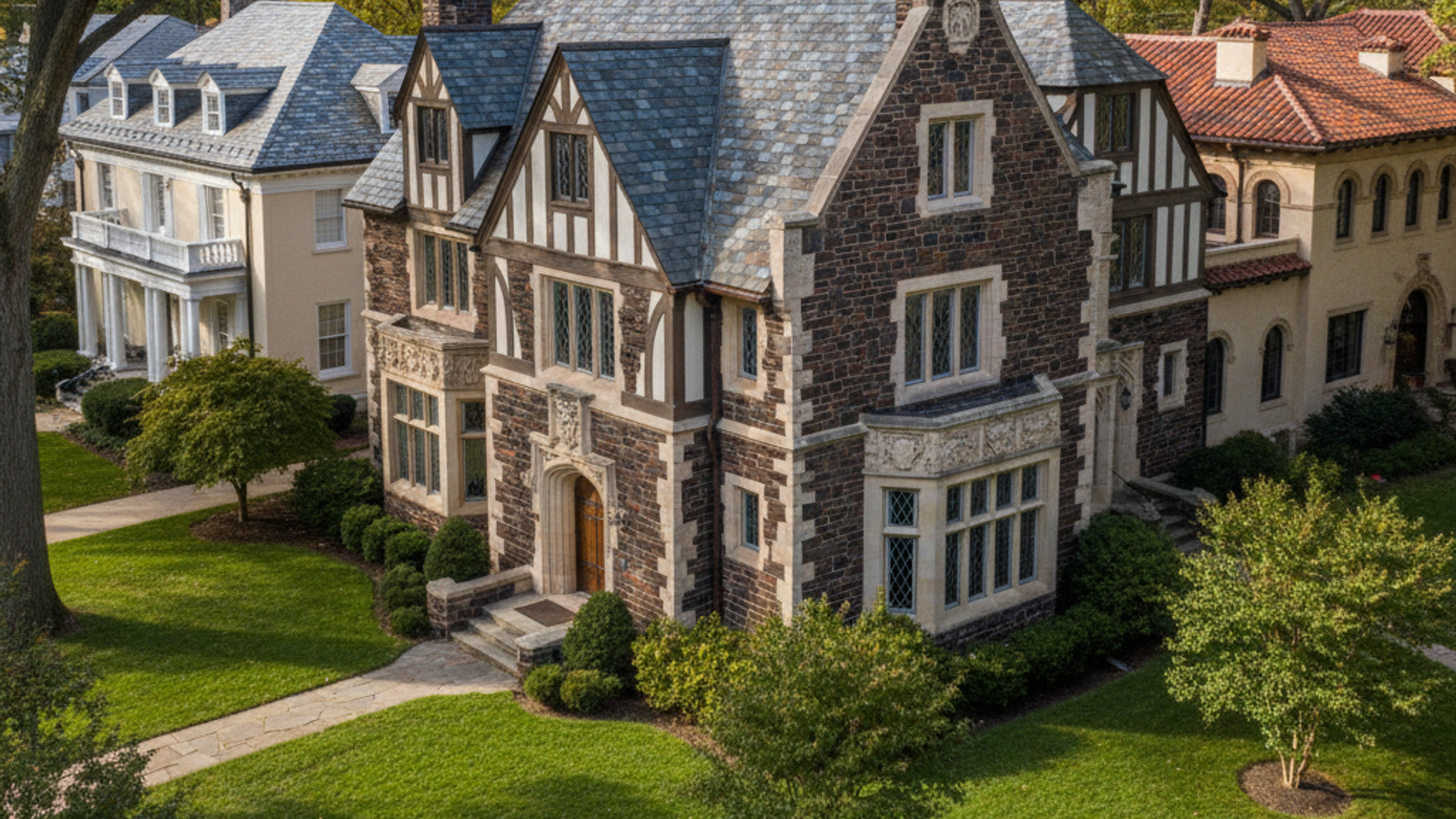
The Ward Parkway corridor stands out as one of the most visually striking and historically significant residential areas in the Midwest. Stretching through the heart of the city, this expansive boulevard system offers buyers a mix of grand historic homes and convenient modern amenities. Navigating the housing market here requires a solid understanding of both the area’s rich architectural heritage and current property valuations.
As we move through 2026, the Ward Parkway Kansas City MO real estate market continues to show strong demand from buyers looking for central locations with robust infrastructure. The corridor provides immediate access to major retail centers, extensive green spaces, and key transportation routes connecting Missouri and Kansas. Understanding the nuances of this specific market will help you make a more informed investment decision when evaluating available properties.
History and Architecture of Ward Parkway
The origins of this iconic neighborhood trace back to the early 20th century, heavily influenced by landscape architect George Kessler and developer J. C. Nichols. Their vision resulted in a wide, manicured boulevard system that seamlessly integrated expansive lawns with monumental residential architecture. Some of the earliest mansions built along the parkway date back to 1914, setting a standard for high-quality construction that remains visible today.
Many properties along the corridor are recognized on the National Register of Historic Places, particularly those within the Park Manor Historic District. Buyers exploring the area will primarily encounter Tudor, Colonial, and Italian Renaissance property types. These historic designations often mean buyers should be prepared for specific preservation guidelines when planning exterior renovations or updates.
The enduring appeal of this architectural planning translates directly into long-term property value retention for homeowners. The wide setbacks and meticulously maintained public spaces create a distinctive visual identity that newer subdivisions rarely replicate. Investing in a home here means taking stewardship of a piece of local history while enjoying the durability of classic brick and stone construction.
Ward Parkway Real Estate Market Trends
The 2026 housing market along the corridor remains highly active, characterized by steady price appreciation and relatively quick sales. As of early 2026, the median sale price for homes in the immediate vicinity ranges from approximately $345,000 to $365,000. These figures reflect a stable market where accurately priced homes attract serious buyers without lingering on the local Multiple Listing Service.
Currently, homes average approximately 30 days on the market before going under contract. This typical timeline means buyers must act decisively when a property matching their criteria becomes available, while sellers can expect a predictable transaction if they price according to recent comparable sales. The inventory consists largely of single-family homes, though buyers will also find multi-family structures like historic apartment hotels near the northern end of the parkway.
For buyers, the current MLS data suggests that lowball offers are unlikely to succeed on move-in-ready properties. Sellers hold a slight edge in negotiating power, particularly for homes that have been updated to modern standards while retaining their historic charm. Partnering with an agent who understands the specific valuation nuances of these older homes is essential for crafting a successful offer.
Shopping and Dining at Ward Parkway Center
Proximity to retail is a major factor for buyers evaluating this corridor, and the Ward Parkway Center serves as the primary commercial anchor. Operating since 1959, this shopping center has continually evolved to meet the changing needs of the surrounding community. Today, it offers a robust mix of national retailers, boutique shops, and essential services that make daily errands highly convenient.
A significant draw to the center is its modern restaurant pavilion and the 14-screen AMC theater, providing immediate entertainment options without needing to travel downtown. Shoppers also benefit from the adjacent State Line Road retail corridors, which house several major grocery chains and home goods stores. Buyers should note that a 1 percent sales tax applies within the Ward Parkway Center Community Improvement District, which funds ongoing maintenance and upgrades to the facility.
Beyond the immediate shopping center, residents enjoy a very short distance to the upscale dining and retail options at the Country Club Plaza. This dual access gives homeowners the convenience of big-box retail for daily needs alongside premium dining experiences just a few miles away. The commercial density along this route ensures that essential services are never more than a few minutes from your driveway.
Parks, Fountains, and Outdoor Recreation
The parkway itself acts as a linear park, featuring a scenic, manicured median that stretches for miles. The city allocates over $9,000,000 annually for park maintenance, which includes dedicated funds for the upkeep of the parkway’s fountains, ornamental monuments, and expansive grounds. This consistent public investment ensures the corridor maintains its high aesthetic standards year-round.
Outdoor enthusiasts will find ample opportunities for recreation immediately adjacent to the residential areas. The water features dividing the parkway and the nearby Brush Creek provide picturesque backdrops for daily exercise. Buyers prioritizing access to green space will find the following amenities particularly notable:
- The Trolley Track Trail offers miles of paved paths ideal for walking, running, and cycling away from vehicular traffic.
- Jacob L. Loose Park provides 75 acres of open space, featuring a rose garden, tennis courts, and a prominent walking track.
- Numerous smaller neighborhood parks are integrated throughout the surrounding subdivisions, offering localized green spaces for residents.
- The Meyer Circle Sea Horse Fountain serves as a major landmark and a popular convergence point for local runners.
Commuting and Transportation Corridors
Transportation infrastructure is a critical advantage for real estate along this route, offering efficient connectivity across the Kansas City metro. For daily commuters, the typical driving time to Downtown Kansas City is roughly 15 to 20 minutes, covering a distance of approximately 8 to 10 miles. This reasonable commute makes the area highly practical for those working in the central business district.
The neighborhood benefits heavily from its immediate access to Shawnee Mission Parkway and State Line Road. These major traffic arteries allow residents to easily navigate between Missouri and Kansas, streamlining travel to suburban employment hubs in Johnson County. Buyers who frequently travel across state lines will find this central location significantly reduces their weekly driving time.
Public transit options are also expanding and improving throughout the corridor. Residents have access to several RideKC bus routes that travel north and south along the main thoroughfares. Furthermore, the recent expansion of the KC Streetcar connecting the Country Club Plaza and UMKC areas brings modern rail transit closer to the northern sections of the parkway.
Local Schools and Healthcare Facilities
Access to educational institutions and medical centers is a primary consideration for many property investors and homebuyers in the area. The corridor is geographically served by the Kansas City Public Schools district, alongside numerous well-established private educational institutions. Buyers are encouraged to utilize resources like GreatSchools to review current 2026 data and verify specific attendance boundaries before making an offer.
The proximity to the University of Missouri – Kansas City (UMKC) campus adds a layer of academic and cultural resources to the northern end of the neighborhood. This institutional presence helps stabilize local property values and provides nearby residents with access to university events, libraries, and lectures. It also creates a steady demand for rental properties in the surrounding blocks.
Healthcare access is equally robust, with several major hospital systems located just minutes from the parkway. Residents can quickly reach Saint Luke’s Hospital on the Plaza, as well as specialized medical centers and urgent care facilities situated along State Line Road. This immediate access to comprehensive healthcare infrastructure is a significant selling point for properties throughout the corridor.
Frequently Asked Questions About Ward Parkway
Who is Ward Parkway in Kansas City named after?
The thoroughfare is named after Seth E. Ward, a prominent 19th-century pioneer and successful businessman. His expansive land holdings eventually became part of the area that the current boulevard system now runs through.
What is Ward Parkway Center known for?
The facility is historically significant as one of the region’s early enclosed shopping malls. Today, it is best known for its pedestrian-friendly restaurant pavilion, 14-screen AMC theater, and diverse mix of retail stores.
What is being built at 63rd and Ward Parkway, Kansas City?
Development at this specific intersection frequently involves updates to commercial retail spaces and mixed-use property improvements. Buyers tracking real estate values should monitor these commercial upgrades, as they often drive localized property appreciation.

Dani Beyer, a Kansas City native, began her career in real estate in 2004 after working in the tech industry. Since then, she's helped thousands of families turn their dreams into keys! Dani is now the CEO and Lead Listing Specialist of 'Dani Beyer Real Estate' brokered with Keller Williams KC North. With 820+ Five Star reviews, she specializes in helping buyer and sellers in the Kansas City Northland.