
If you’ve been sitting on the sidelines waiting for home prices to “finally crash,” you’re not alone. It’s one of the most common questions we’re hearing right now from both buyers and sellers:
“Should I wait… or is now still a good time to make a move?”
The short answer?
Most experts are predicting that home prices will continue to rise — just much more slowly than we saw during the frenzy of 2020–2022.
In other words: the market is cooling, not collapsing.

So… Are Prices Going Up or Down?
Nationally, most housing forecasts for 2026 are calling for:
- Modest home price growth
- Slightly improved inventory
- Mortgage rates staying above 6%
- More balanced negotiating power between buyers and sellers
Economists at Zillow currently forecast home values to remain relatively flat to slightly positive through the end of 2026, with projected appreciation around 0.3% nationally.
Meanwhile, Redfin predicts home prices could rise roughly 1% this year as affordability slowly improves and more buyers re-enter the market.
The National Association of REALTORS® is slightly more optimistic, forecasting approximately 4% price growth nationally due to continued housing shortages.
Translation?
Most experts are not expecting a dramatic nationwide price drop.
Why Haven’t Home Prices Fallen More?
Honestly, it comes down to one major issue:
We still don’t have enough homes.
Even though higher mortgage rates slowed buyer demand, inventory is still historically tight in many markets — especially desirable neighborhoods and move-in-ready homes.
A lot of homeowners are locked into ultra-low mortgage rates from a few years ago and simply don’t want to sell unless they absolutely have to. That keeps supply limited.
And when supply stays low?
Prices tend to stay surprisingly resilient.
Reuters recently reported that while pending home sales have improved, inventory — especially affordable starter homes — remains constrained.
What This Means for Buyers
If you’re hoping for a massive market crash before buying, you may end up waiting longer than expected.
Could some individual markets soften? Absolutely.
Could overpriced homes sit longer? Definitely.
Could buyers have more negotiating power than they did two years ago? YES. (Finally.)
But nationally, most indicators point toward:
- slower appreciation,
- more price stabilization,
- and a healthier, more balanced market overall.
That’s actually good news for buyers.
Instead of competing against 27 offers and waiving your firstborn child as a contingency, buyers today often have:
- more time to think,
- room to negotiate,
- inspection opportunities,
- and sometimes seller concessions.
That’s a huge shift from the chaos we saw during peak seller-market conditions.
What This Means for Sellers
If you’re selling, the days of: “Throw a sign in the yard and start picking your favorite cash offer”…have cooled a bit.
Pricing strategy matters again. Presentation matters again. Marketing definitely matters again.
But well-priced homes are still selling — especially homes that are updated, clean, and properly marketed.
In many areas, sellers are still gaining equity year over year… just not at the breakneck speed we became used to during the pandemic boom.
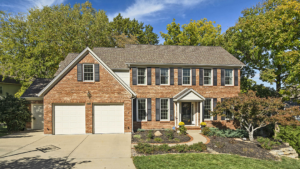
The Kansas City Perspective
Kansas City has continued to hold relatively strong compared to some overheated markets across the country.
Why?
- Affordability remains better than many major metros
- Demand is still steady
- Inventory is still limited in many price points
- People continue relocating to the Midwest for lower cost of living
That doesn’t mean prices will skyrocket. But it does mean KC hasn’t experienced the same dramatic corrections some higher-priced coastal markets have seen.
And honestly? Kansas City continues to be one of those markets where long-term homeownership still makes a lot of financial sense.
Should You Buy Now or Wait?
This is the part nobody loves hearing, but it’s true:
Trying to perfectly “time” the housing market is almost impossible.
The better question is usually:
- Are you financially ready?
- Do you plan to stay put for several years?
- Does buying improve your lifestyle and long-term goals?
Because even in slower markets, real estate tends to reward long-term ownership.
And if rates eventually fall?
There’s a good chance buyer competition increases again.
Final Thoughts
The near future of housing prices looks more like a slow simmer than a dramatic boom or bust.
Most experts expect:
- stable to slightly rising prices,
- gradual affordability improvements,
- and a more balanced market overall.
For buyers, that may create opportunities.
For sellers, realistic expectations and smart strategy matter more than ever.
And for everyone? The days of treating Zillow estimates like winning lottery tickets may finally be calming down a bit.
(Probably healthy for all of us.)
If you’re wondering what this market means specifically for your situation — whether buying, selling, investing, or just trying to make sense of the headlines — the team at Dani Beyer Real Estate would love to help.

Dani Beyer, a Kansas City native, began her career in real estate in 2004 after working in the tech industry. Since then, she's helped thousands of families turn their dreams into keys! Dani is now the CEO and Lead Listing Specialist of 'Dani Beyer Real Estate' brokered with Keller Williams KC North. With 820+ Five Star reviews, she specializes in helping buyer and sellers in the Kansas City Northland.