
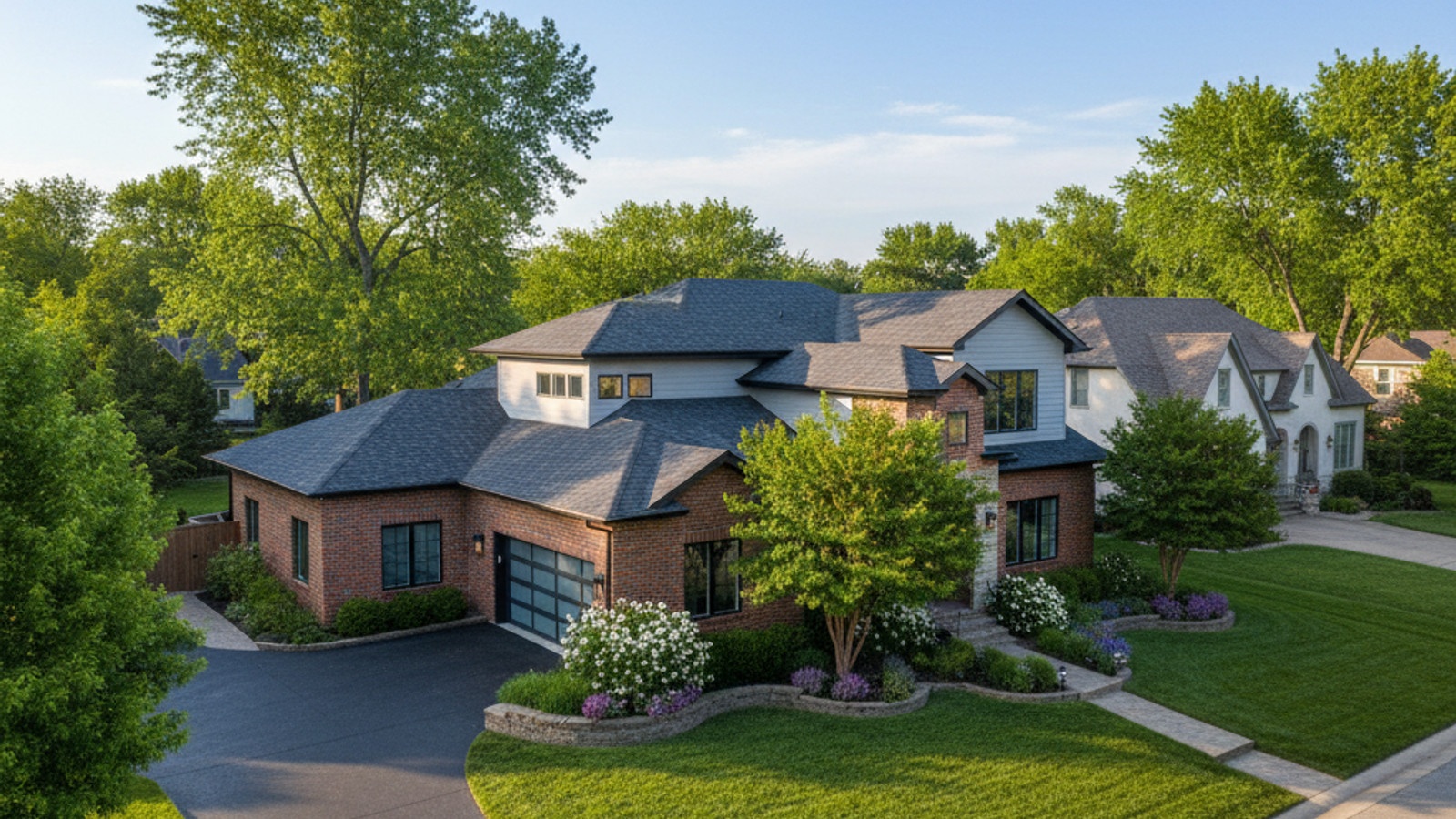
The median home price in Kansas City, MO sits around $300,000, and buyers need more than just a down payment to claim the keys. Before the seller hands over the property, you have to cover the final administrative, legal, and lending expenses.
These final expenses catch many first-time buyers off guard. You should expect to pay between 2% and 5% of your home’s purchase price in extra fees on closing day. Budgeting for this amount early prevents stressful scrambles for cash right before you sign the final paperwork.
Understanding Your Closing Expenses
Buyers typically wire their final funds to the title company a day or two before the scheduled closing date. This lump sum covers everything from lender fees to local property taxes.
Closing costs encompass all the final expenses required to complete your real estate purchase. They pay the professionals who process your loan, transfer the deed, and ensure the property is legally yours.
The exact amount you owe depends on your loan type, your lender, and the specific property. You will receive a preliminary estimate of these fees within three days of applying for a mortgage.
The Main Fees You Will Pay
Most mortgage lenders group buyer closing expenses into three distinct categories on your loan estimate. These include lender charges, third-party services, and prepaid items.
Lenders charge origination fees to process and underwrite your mortgage application. You might also choose to pay discount points, which are upfront fees paid directly to the bank to lower your interest rate.
Third-party fees cover services required to approve the home itself. This includes the real estate appraisal to confirm the home’s value and the home inspection to check its condition.
Prepaid costs require you to fund your future property expenses in advance. You will need to set up an escrow account with initial deposits for:
- Homeowners insurance premiums for the first year.
- Property taxes prorated for the current tax cycle.
- Prepaid interest accumulating between your closing date and your first mortgage payment.
Local Title and County Recording Norms
Missouri law dictates a 19% residential assessment rate for property taxes, which directly influences how much cash you need for your initial escrow setup. Your lender will calculate your required tax reserves based on this state standard.
Title insurance customs vary by state, and Missouri has a specific standard for who pays what. Sellers typically cover the owner’s title insurance policy to prove they have a clear right to sell the home. Buyers pay for the lender’s title insurance policy, which protects the bank’s financial interest in the property.
You also have to pay the local government to officially record your deed and mortgage documents. Jackson County charges $21 for the first page and $3 for each additional page. If you buy in Clay or Platte counties, the recording fee runs $24 for the first page and $3 for subsequent pages.
Estimating Your Total Bill on a $300,000 House
A typical single-family home in the Kansas City metro area costs roughly $300,000. Applying the standard 2% to 5% rule gives you a practical baseline for your savings target.
On a $300,000 purchase, your buyer closing costs will land between $6,000 and $15,000. The wide range accounts for differences in property taxes, insurance premiums, and whether you buy discount points to lower your mortgage rate.
You do not have to guess your final number as closing day approaches. Federal law requires your lender to provide a Closing Disclosure document exactly three business days before you sign. This form outlines your exact final cash requirement down to the penny.
Ways to Reduce Your Cash to Close
Buyers who want to keep more cash in their bank accounts have several options for reducing upfront expenses. The most common strategy involves asking the seller for help.
You can negotiate seller concessions into your purchase contract. This means the seller agrees to pay a specific percentage or dollar amount toward your closing fees out of their own profit.
Shopping around for your mortgage also yields immediate savings. Different lenders charge different origination fees, and comparing Loan Estimates from three different banks can save you thousands of dollars.
Local homebuyer assistance programs operate throughout Missouri and can help cover these final expenses. Many of these programs offer grants or forgivable loans specifically for upfront purchase costs.
Frequently Asked Questions
Are buyer closing costs tax-deductible in Missouri?
Most standard closing fees, like appraisals and title searches, do not qualify for a tax deduction. You can usually deduct prepaid mortgage interest and local property taxes on your federal return. Consult a licensed tax professional to confirm exactly what you can claim for your specific household.
When will I know my exact closing costs?
Your lender must issue a Closing Disclosure at least three business days before your scheduled signing appointment. This document replaces your initial estimates with finalized numbers. You will know the exact wire transfer amount well before you sit down at the title company.
Can I roll my closing costs into my mortgage in Kansas City?
Standard conventional and FHA loans do not allow buyers to finance closing fees into the base loan amount. You can only finance these expenses if you use specific loan products like a VA loan or a USDA loan. Otherwise, you should plan to pay these charges out of pocket or negotiate seller concessions.

Dani Beyer, a Kansas City native, began her career in real estate in 2004 after working in the tech industry. Since then, she's helped thousands of families turn their dreams into keys! Dani is now the CEO and Lead Listing Specialist of 'Dani Beyer Real Estate' brokered with Keller Williams KC North. With 820+ Five Star reviews, she specializes in helping buyer and sellers in the Kansas City Northland.