
Early-career workers make up a substantial portion of the workforce in the Kansas City, MO metro area. The city has transitioned into a regional technology and healthcare hub over the past decade. Recent data from early 2026 shows strong retention of residents who move here for employment and choose to stay long-term.
Much of this retention comes down to the balance of low housing costs and access to urban amenities. Residents can access local sports, craft breweries, and a fare-free streetcar system without paying coastal living premiums. The local economy provides a foundation for building a career while maintaining a manageable cost of living.
The Local Job Market and Major Employers
Healthcare, information technology, engineering, and logistics anchor the regional economy. Tech jobs saw substantial growth earlier in the decade, and that momentum has carried into 2026. Unemployment rates in the metro area consistently track at or below the national average.
The area also maintains a supportive environment for remote work and entrepreneurship, with numerous co-working spaces distributed across the urban core. For those working in traditional corporate environments, several large companies operate headquarters or major regional hubs here.
- Healthcare and Life Sciences: Saint Luke’s Hospital and the University of Kansas Health System anchor the medical sector. These institutions employ thousands of medical professionals and administrators across the metro.
- Technology and Health IT: Oracle Health maintains a massive presence in the region. This campus draws software engineers, project managers, and data analysts from across the country.
- Engineering and Manufacturing: Garmin operates its global headquarters just outside the city. Firms like Burns & McDonnell and Black & Veatch also hire large numbers of workers in the engineering sector.
Real Estate and Rent Prices
The median home sales price in Kansas City, MO sits at approximately $290,000 as of mid-2026. This price point allows buyers to enter the market years earlier than they might in cities like Denver or Chicago. Buyers can choose from downtown condominiums to single-family homes in outer neighborhoods.
Renters also see lower monthly expenses compared to the national average. Average rent across the city ranges from $1,330 to $1,399, with a typical one-bedroom apartment renting for around $1,228. This lower housing overhead leaves more room in the budget for savings, groceries, and entertainment.
Neighborhoods to Consider
Housing options in the city range from modern high-rise apartments to historic homes with large yards. The downtown core features converted industrial spaces, while the areas further south offer quieter residential streets.
Walkability varies greatly depending on the zip code. Buyers and renters should focus their search based on whether they want to walk to coffee shops or prioritize square footage and private parking.
River Market
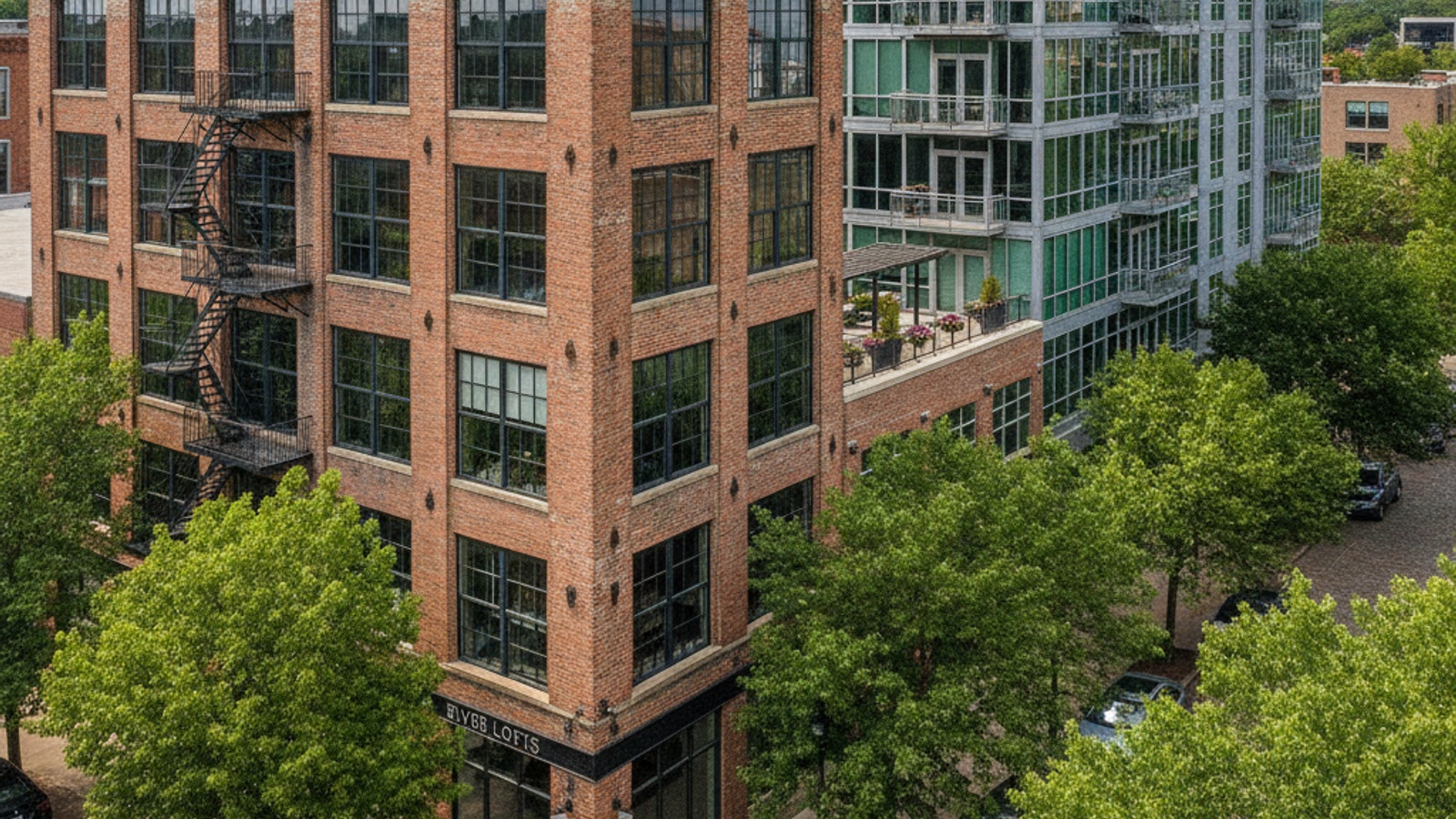
Located just south of the Missouri River, this area features modern condos and historic loft conversions. Residents have direct access to the City Market, which hosts a massive farmers market on the weekends.
The neighborhood connects directly to the rest of downtown via the streetcar. This setup works well for those who want to minimize their reliance on a personal vehicle.
Crossroads Arts District
The Crossroads area is known for its concentration of art galleries, coffeehouses, and craft breweries. Housing here consists primarily of converted loft apartments in former warehouse buildings.
First Friday art walks draw crowds from across the metro area every month. The neighborhood sits directly between the downtown business loop and Union Station, making it a central location for commuters.
Westport and Midtown
Westport offers a dense concentration of nightlife, dining, and local retail. The surrounding Midtown area features older apartment buildings and historic single-family homes.
This area sits close to major medical centers like Saint Luke’s Hospital. It offers a convenient location for those working in healthcare who want a short commute while living near entertainment options.
Waldo
Waldo provides single-family homes with yards, appealing to buyers looking to purchase property rather than rent. The area maintains its own commercial corridors filled with local restaurants and hardware stores.
While further from the downtown core, Waldo still offers a grid-like street layout and easy access to local parks. Buyers should factor in a slightly longer drive if they work in the central business district.
Commute Times and Public Transit
The average daily commute time for drivers in the Kansas City, MO metro area is around 24 minutes. Most residents rely on personal vehicles and the local highway system, utilizing I-70 and I-35 to cross the metro.
While the broader region is car-dependent, the downtown core is pedestrian-friendly and well-connected. Recent infrastructure projects have focused on expanding transit options for urban residents.
The KC Streetcar Expansion
The KC Streetcar operates on a fare-free model, connecting major downtown hubs from Union Station to the River Market. On May 18, 2026, the city opened the KC Streetcar Riverfront Extension.
This new line connects the River Market to Berkley Riverfront and CPKC Stadium. The expansion allows residents to access the riverfront parks and professional soccer matches without needing to park a car.
Dining, Arts, and Entertainment
The local food scene features world-famous Kansas City barbecue alongside modern cuisine, cocktail lounges, and craft beer breweries. The Kansas City Power & Light District serves as a central hub for large-scale events and watch parties.
Residents also have access to major outdoor recreation areas like Swope Park and Penn Valley Park. The city supports a broad range of cultural institutions and performance spaces.
- Live Music and Sports: The T-Mobile Center hosts major touring concerts and collegiate basketball tournaments. The venue sits right in the downtown loop, surrounded by restaurants and bars.
- Performing Arts: The Kauffman Center for the Performing Arts serves as the home for the Kansas City Ballet and the Kansas City Symphony. The building’s modern architecture makes it a major landmark on the city skyline.
- Museums: The Nelson-Atkins Museum of Art offers free admission to its extensive galleries. Meanwhile, the American Jazz Museum highlights the city’s deep musical history in the 18th and Vine district.
Weighing the Pros and Cons
Relocating to the area comes with clear financial advantages. The low cost of living, short average commute times, and diverse housing options make it easier to build savings. A resident can rent a downtown loft or buy a suburban single-family home for a fraction of what it would cost on the coasts.
However, the region does have drawbacks that new residents should consider. Public transportation remains limited outside the immediate downtown area, making a car necessary for most suburban commutes. Additionally, the region experiences severe weather patterns, including winter storms and summer tornadoes, which require preparation and proper insurance coverage.
Frequently Asked Questions
What is a livable salary in Kansas City?
A single renter can live comfortably on a salary between $55,000 and $65,000, given that average one-bedroom rents hover around $1,228. Buyers looking to purchase a home near the $290,000 median price point will typically need a household income closer to $85,000 to manage the mortgage and property taxes.
What jobs are in demand in Kansas City?
Healthcare professionals, software engineers, and logistics managers see the highest demand from local employers. Companies like Oracle Health and Garmin consistently recruit for technical roles, while the expanding warehouse networks along the interstates require supply chain experts.
Is public transportation reliable in Kansas City?
The fare-free KC Streetcar is extremely reliable for traveling within the downtown core, especially with the 2026 extension to Berkley Riverfront. However, the broader bus system covering the suburbs operates with less frequency, meaning most residents outside the city center still commute by car.

Dani Beyer, a Kansas City native, began her career in real estate in 2004 after working in the tech industry. Since then, she's helped thousands of families turn their dreams into keys! Dani is now the CEO and Lead Listing Specialist of 'Dani Beyer Real Estate' brokered with Keller Williams KC North. With 820+ Five Star reviews, she specializes in helping buyer and sellers in the Kansas City Northland.