
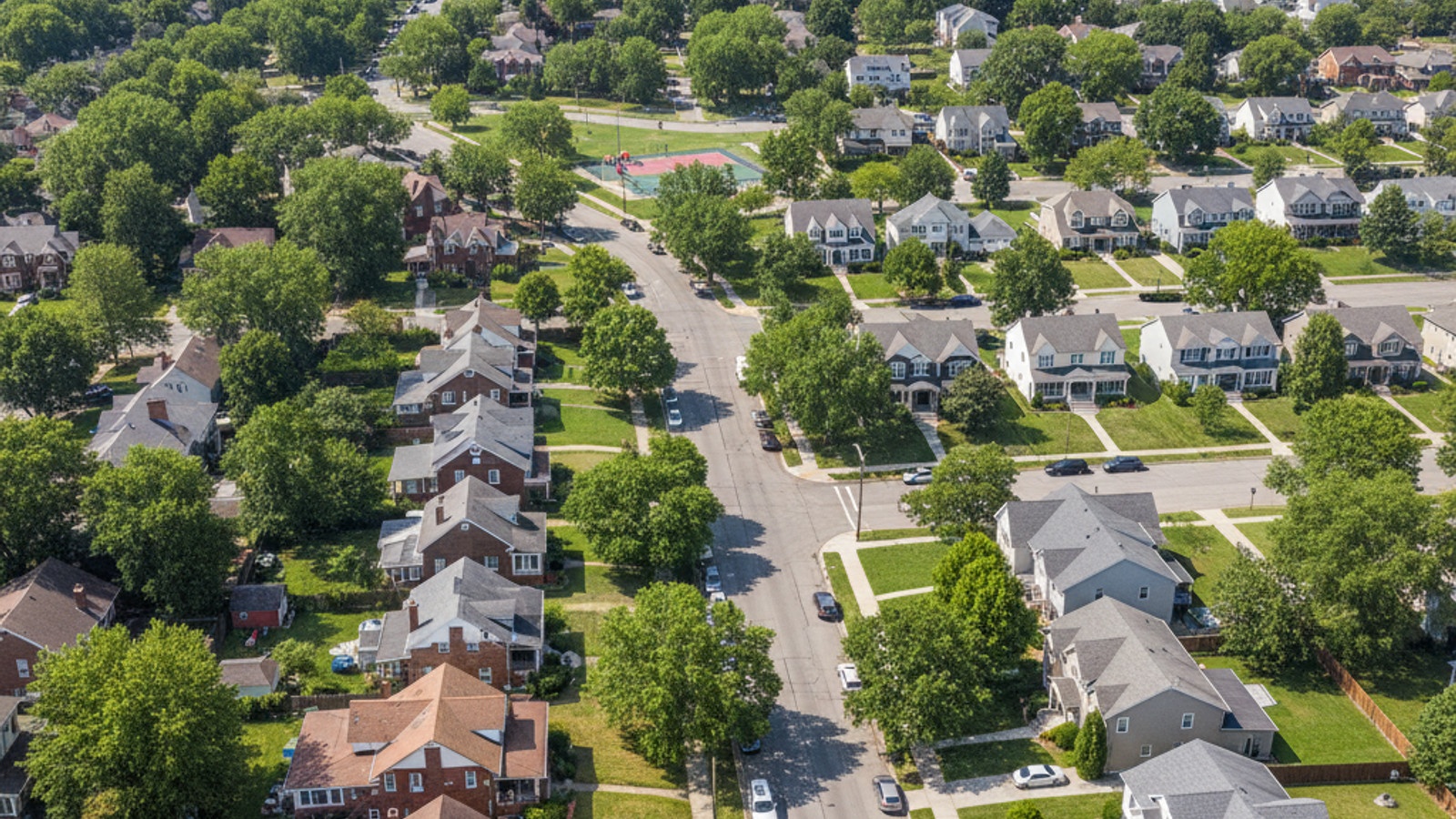
The Kansas City metro area spans two states, blending historic neighborhoods with expansive suburban developments. Buyers relocating to the Midwest often look closely at the Missouri side of the state line to maximize their purchasing power.
When buyers ask, Is Kansas City, MO Good For Families, they usually want to know about housing costs, school boundaries, and daily commute times. The region offers a distinct mix of urban amenities, reliable infrastructure, and an extensive municipal park system.
The median home price across the metro remains well below the national average. This financial leverage allows buyers to explore a wide range of property types, from historic brick bungalows to new construction builds in master-planned communities.
Housing Costs and the Current Real Estate Market
Real estate prices in the area provide substantial purchasing power compared to coastal markets. As of early 2026, the median home value in Kansas City, MO, sits between $290,000 and $340,000. Buyers can find options ranging from historic properties near the River Market to newer subdivisions in the northern suburbs.
Property taxes are a major factor in monthly carrying costs. In Missouri, residential property is assessed at a 19% ratio of its market value. Local counties like Jackson County and Clay County apply their specific tax levies to that assessed amount to determine your annual bill.
Housing inventory includes a broad mix of architectural styles. The urban core features century-old homes on mature, tree-lined streets, while areas expanding outward offer modern floor plans and larger lots. Buyers should review HOA fees and specific neighborhood covenants when evaluating these newer developments.
Public School Districts and Charter Networks
Kansas City Public Schools (KCPS) serves the urban core and enrolls roughly 15,000 students. The district boundaries cover many of the city’s historic neighborhoods and central commercial zones.
North of the Missouri River, North Kansas City Schools operates with a massive footprint. This district uses a continuous enrollment process and manages numerous campuses across the northern suburbs. Buyers looking in this area should verify exact boundary lines, as they can shift between academic years.
Charter schools provide an alternative to the traditional public school districts. These tuition-free public schools operate independently and currently enroll more than 13,000 students across the city. Admission is often lottery-based, meaning buyers should research application deadlines well before closing on a house.
Parks, Green Spaces, and Trail Networks
The Kansas City Parks and Recreation system manages outdoor facilities spread throughout the metro. The network includes over 100 miles of paved and unpaved trails. These paths connect residential zones to commercial districts and large municipal green spaces.
Swope Park serves as the crown jewel of the system, covering more than 1,800 acres. This massive footprint holds golf courses, community centers, and the Kansas City Zoo & Aquarium. It provides residents with immediate access to major recreational infrastructure within the city limits.
Loose Park offers a different scale of outdoor recreation just south of the Country Club Plaza. The 75-acre space features a well-known rose garden, a walking path, and public tennis courts. It remains one of the most frequently visited parks for residents in the surrounding historic districts.
Highway Access and Daily Commute Times
Transportation infrastructure in the region relies on an expansive network of interstate highways. Major routes like I-70 and I-35 intersect near the downtown loop, connecting the outer suburbs to the central business district. This layout allows for relatively predictable drive times across the metro area.
According to recent Census Bureau data, the average commute time for residents is 22.1 minutes. This transit time remains lower than many other major Midwestern cities. Buyers moving from coastal tech hubs often find the daily drive to be a notable improvement in their schedule.
Public transit options continue to expand within the urban core. The KC Streetcar operates a free-to-ride route connecting the River Market down through Union Station and Crown Center. Planned extensions aim to push the line further south, offering a reliable alternative to driving for downtown commuters.
Local Museums, Entertainment, and Healthcare Access
The city supports a wide variety of cultural institutions and specialized medical facilities. Union Station anchors the downtown entertainment district and houses Science City, a massive interactive science center. Just south of downtown, Crown Center features indoor attractions like Kaleidoscope and the Sea Life Aquarium.
Residents also have access to major regional attractions and pediatric healthcare. The Nelson-Atkins Museum of Art offers free admission and extensive sculpture grounds. Meanwhile, specialized medical care is centralized near the downtown corridor.
Knowing the exact location of these amenities helps buyers narrow down their home search. Key facilities and regional attractions include:
- Children’s Mercy Hospital: Located on Hospital Hill, this facility provides comprehensive pediatric care and serves as a primary medical hub for the region.
- Kansas City Zoo & Aquarium: Situated inside Swope Park, this 200-plus acre facility features global animal exhibits and a recently added marine center.
- Worlds of Fun: A large-scale amusement park and adjacent water park, Oceans of Fun, located just off I-435 for seasonal entertainment.
Frequently Asked Questions
Is Kansas City a good place to raise a family?
Many relocating buyers ask, Is Kansas City, MO Good For Families, and the answer comes down to local amenities and housing affordability. The region offers a lower cost of living compared to the national average, leaving more room in the budget for activities. Access to expansive park systems and numerous educational pathways adds to the appeal.
What is the crime rate in Kansas City, MO?
Crime statistics vary sharply depending on the specific zip code and neighborhood. The Kansas City Police Department provides localized data mapping to help residents review incident reports by block. Buyers should consult these municipal databases rather than relying on metro-wide averages.
Which Kansas City neighborhoods have the highest park access and school district ratings?
Areas near the Missouri River like Parkville, MO, offer immediate access to nature sanctuaries and trail systems. Further south, neighborhoods bordering Loose Park provide walkable routes to tennis courts and green spaces. Buyers should cross-reference specific property addresses with current school boundary maps, as district lines change.
Is Kansas City, MO, an affordable place to live?
The cost of living on the Missouri side remains competitive for a major metropolitan area. With median home values hovering near $340,000, housing costs take up a smaller percentage of the median household income. Everyday expenses, from groceries to healthcare, also trend below national benchmarks.

Dani Beyer, a Kansas City native, began her career in real estate in 2004 after working in the tech industry. Since then, she's helped thousands of families turn their dreams into keys! Dani is now the CEO and Lead Listing Specialist of 'Dani Beyer Real Estate' brokered with Keller Williams KC North. With 820+ Five Star reviews, she specializes in helping buyer and sellers in the Kansas City Northland.