
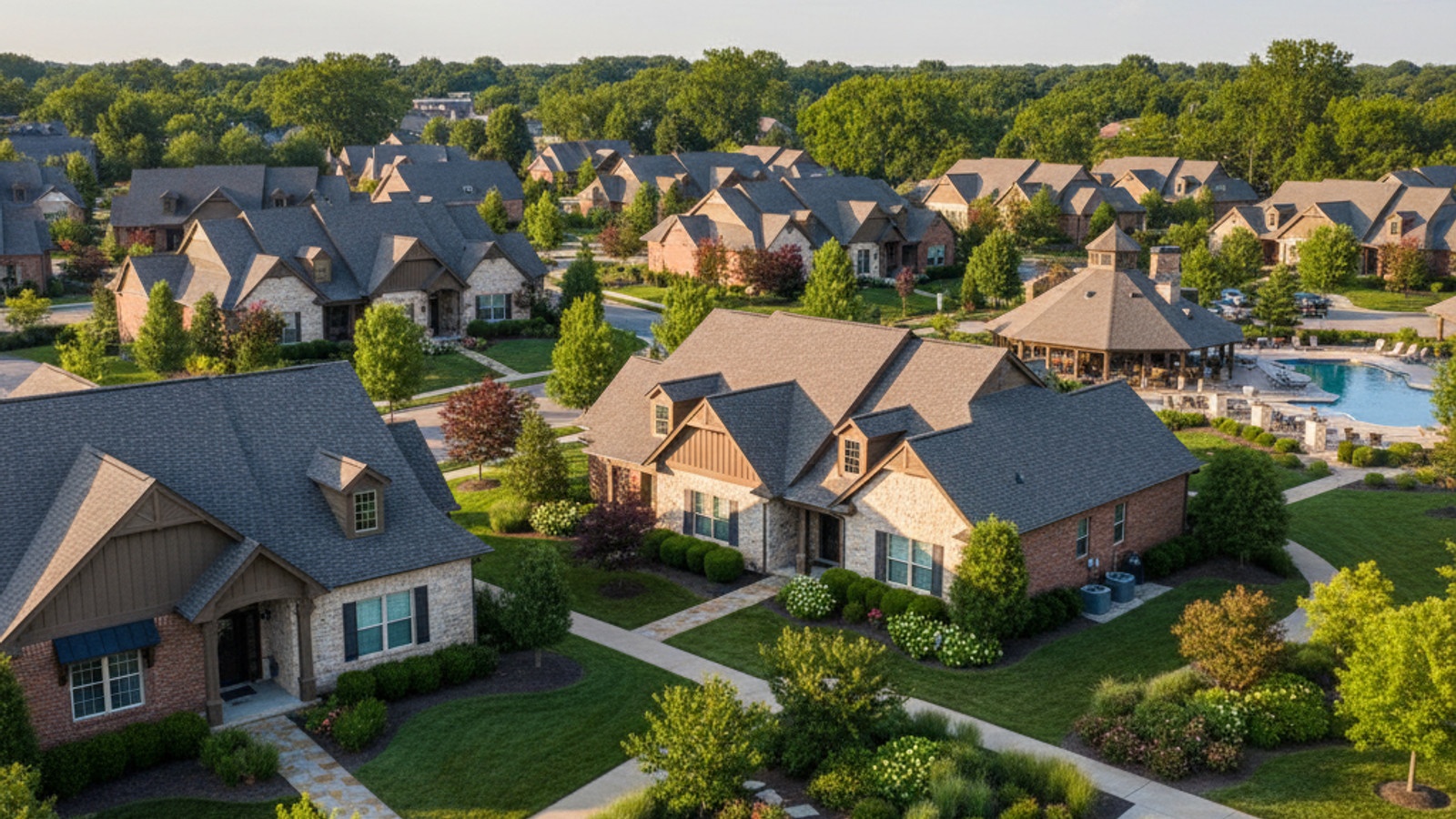
The Kansas City metropolitan area spans the state line, offering a wide range of senior housing options on both the Missouri and Kansas sides. Buyers looking at Retirement Communities in Kansas City, MO, will find developments ranging from standalone 55+ neighborhoods with detached villas to full-service life plan communities near the city center. The local market provides enough variety to accommodate different budgets, care requirements, and lifestyle preferences.
The local housing supply includes high-rise apartment spaces in Downtown Kansas City as well as expansive, campus-style properties in nearby suburbs like Overland Park, KS. Choosing the right property requires comparing monthly fees, available care levels, and proximity to major health systems. Buyers should evaluate whether they want an urban environment with walkable access to restaurants or a quieter suburban setting.
The region experiences all four seasons, making weather a key factor for buyers evaluating different properties. Transitioning to a community that handles snow removal and winter weatherization appeals to many older adults looking to reduce their seasonal workload. Maintenance-free living becomes especially valuable during the winter months when ice and snow impact daily travel.
Housing Types and Monthly Costs
Independent living in Kansas City generally ranges from $2,000 to $4,000 per month. This base rate typically covers the physical apartment, basic utilities, and access to shared community spaces. Facilities located closer to the downtown core or the Country Club Plaza tend to fall on the higher end of this pricing spectrum.
The available property types vary widely depending on the specific development. Buyers can choose from high-rise apartment homes, attached condos, and single-story villas. Floor plans usually range from compact studio spaces to larger two-bedroom layouts with full kitchens, private balconies, and in-unit laundry hookups.
Many of these developments promote maintenance-free living, which shifts the burden of exterior upkeep to the community management. Homeowners in these neighborhoods pay monthly or annual HOA fees to cover lawn care, snow removal, and exterior building repairs. These fees ensure the neighborhood maintains a consistent appearance while protecting individual property values.
In addition to the standard monthly rent, some life plan communities require a one-time entrance fee. This upfront cost secures a resident’s spot in the community and often guarantees access to higher levels of care at a predictable rate. Buyers should ask facility directors to clearly outline which fees are refundable if the resident eventually moves out.
Proximity to Medical Centers and On-Site Care
The Kansas City area is anchored by several major health systems, including Saint Luke’s Hospital, now part of BJC Health, and the University of Kansas Health System. Residents managing chronic conditions or requiring specialized treatments benefit from living within a short drive of these main campuses. Proximity to these specialized care centers provides peace of mind for both residents and their families.
Many local continuing care retirement communities offer tiered healthcare services on the same campus as their independent living units. This structure allows residents to transition into assisted living or memory care without leaving their established neighborhood. The ability to age in place prevents the stress of searching for a new facility during a health emergency.
Facilities with long-term care and nursing home capabilities provide around-the-clock medical supervision. Having these services on-site means a resident experiencing a health change can receive advanced elderly care without a disruptive relocation. Staff members in these wings handle medication management, mobility assistance, and daily personal care.
For residents dealing with Alzheimer’s or dementia, specialized memory care wings offer secure environments with tailored daily routines. These designated areas utilize keypad entryways and enclosed outdoor courtyards to prevent wandering while maintaining a high quality of life. Caregivers in these units undergo specific training to support cognitive health and manage behavioral changes.
The Role of Caregivers and Residential Care
Residential care facilities in the area employ trained caregivers to assist residents with daily activities like dressing, bathing, and medication management. Having access to these professionals on-site reduces the physical and emotional strain on family members. These structured environments ensure that residents receive consistent daily support.
The cost of hiring a private caregiver in Missouri averages around $30 per hour in 2026. Residents living in standard apartment homes often hire these independent aides to come directly to their units. In contrast, assisted living facilities build the cost of this daily support into their base monthly fee.
State regulations dictate the minimum staff-to-resident ratios for licensed care facilities in Missouri. Facilities that exceed these minimum staffing levels generally provide more personalized attention and faster response times during emergencies. Touring the property and speaking directly with the caregiving staff helps buyers understand the daily operational standards of the community.
Amenities Available in Local Independent Living
Most large senior living communities in the area dedicate specific square footage to physical activity and social spaces. Standard properties feature a dedicated fitness center, paved walking trails, and scheduled wellness programs. Group exercise classes and water aerobics in heated indoor pools help residents maintain their mobility year-round.
Dining options are a major draw for buyers transitioning into these facilities. Many communities employ full-time culinary teams to provide chef-prepared meals in restaurant-style dining rooms. Residents can often choose flexible meal plans that cover one, two, or three meals a day based on their cooking preferences.
Moving into a shared community does not necessarily mean leaving animals behind. Many independent living properties operate with welcoming pet policies that allow small dogs and cats. Some of the larger campuses even maintain private dog parks and grooming stations for residents to use.
Transportation is another major amenity offered by these developments. Community shuttle buses frequently run scheduled routes to local grocery stores, pharmacies, and medical appointments. This service allows residents to easily run errands and attend appointments without maintaining a personal vehicle or driving in heavy traffic.
Property Taxes, Transit, and Area Attractions
Jackson County property tax rates for 2026 sit between 1.11% and 1.5% of a home’s assessed market value. Buyers purchasing a villa or condo in a 55+ neighborhood should factor these annual county taxes into their long-term budget. Understanding the local tax burden helps buyers accurately compare the cost of owning a villa versus renting an apartment.
Missouri state tax laws also play a role in the financial planning process. The state generally does not tax Social Security benefits, which can free up additional monthly income to put toward housing costs or community fees. Buyers moving from out of state should consult a financial advisor to understand how crossing the state line impacts their retirement income.
Getting around the city without a personal vehicle is possible through the local public transit network. The RideKC bus system operates routes throughout the Kansas City metropolitan area, connecting residential neighborhoods to commercial districts and medical facilities. All RideKC buses offer zero-fare transit, which provides a cost-effective way for older adults to travel across the city.
Residents frequently take advantage of the city’s established cultural institutions and public greenspaces. Popular destinations include the Nelson-Atkins Museum of Art, the walking paths at Loose Park, and the retail and dining options at Country Club Plaza. These local attractions provide easily accessible entertainment options for residents and their visiting family members.
Frequently Asked Questions
How much does senior living cost in Kansas City?
Base rates for independent living in the area generally start around $2,000 per month and can exceed $4,000 depending on the facility. Properties in the downtown corridor or those offering extensive daily meal plans typically sit at the higher end of that price spectrum. Buyers looking at assisted living or memory care should expect monthly costs to increase by several thousand dollars to cover the additional medical support.
What is the 80/20 rule for 55+ communities?
The federal Housing for Older Persons Act requires that at least 80% of the occupied units in a designated 55+ community must have at least one resident who is 55 or older. The community management can choose how to allocate the remaining 20%, though many local developments choose to keep their age requirements uniform across all units. This legal framework allows these neighborhoods to legally restrict the age of their residents without violating fair housing laws.
Is it cheaper to live in a 55+ community?
Purchasing a home in an age-restricted neighborhood can sometimes lower your property insurance and municipal utility costs compared to a traditional single-family home. Downsizing to a smaller footprint inherently reduces heating and cooling expenses throughout the year. However, buyers should carefully review the mandatory HOA fees, which can add several hundred dollars to their monthly expenses to cover shared amenities and exterior maintenance.

Dani Beyer, a Kansas City native, began her career in real estate in 2004 after working in the tech industry. Since then, she's helped thousands of families turn their dreams into keys! Dani is now the CEO and Lead Listing Specialist of 'Dani Beyer Real Estate' brokered with Keller Williams KC North. With 820+ Five Star reviews, she specializes in helping buyer and sellers in the Kansas City Northland.