
The Kansas City metropolitan area spans two states and multiple counties, giving buyers a wide range of living environments. Deciding between a home in Kansas City, MO, and a suburb like Olathe, KS, comes down to how you prioritize property taxes, commute times, and housing styles. Partnering with the best real estate agent in Kansas City, MO can help you compare these local markets.
Olathe sits about 20 miles southwest of downtown Kansas City, firmly in Johnson County, Kansas. While Kansas City offers historic architecture and close proximity to major urban amenities, Olathe provides newer subdivisions and its own growing commercial base.
Geography and the State Line Divide
Olathe is located approximately 20 to 25 miles southwest of downtown Kansas City. The two cities sit in different states but share the same metropolitan footprint. Driving from Kansas City, Missouri, across the state line into Kansas brings you through several smaller suburbs before reaching Olathe.
The physical distance means residents experience different daily environments. Olathe has seen significant commercial development recently, including the late 2025 announcement of a $300 million training facility and headquarters for the Kansas City Chiefs. This addition is actively driving new business growth in Olathe, making it less reliant on downtown Kansas City for employment and entertainment.
Housing Costs and Neighborhood Styles
As of mid-2026, the median home sale price in Kansas City, MO, sits around $325,000. Homes here typically spend roughly 21 days on the market before going under contract. During the recent spring market, the city saw over 650 homes sold in a single month, showing steady demand for Missouri-side properties.
Buyers looking at the Missouri side will find a large concentration of historic neighborhoods. Areas like Brookside and Waldo feature older, established homes with unique architectural details and mature tree canopies. These urban properties often appeal to buyers who want immediate walkability and shorter distances to downtown offices.
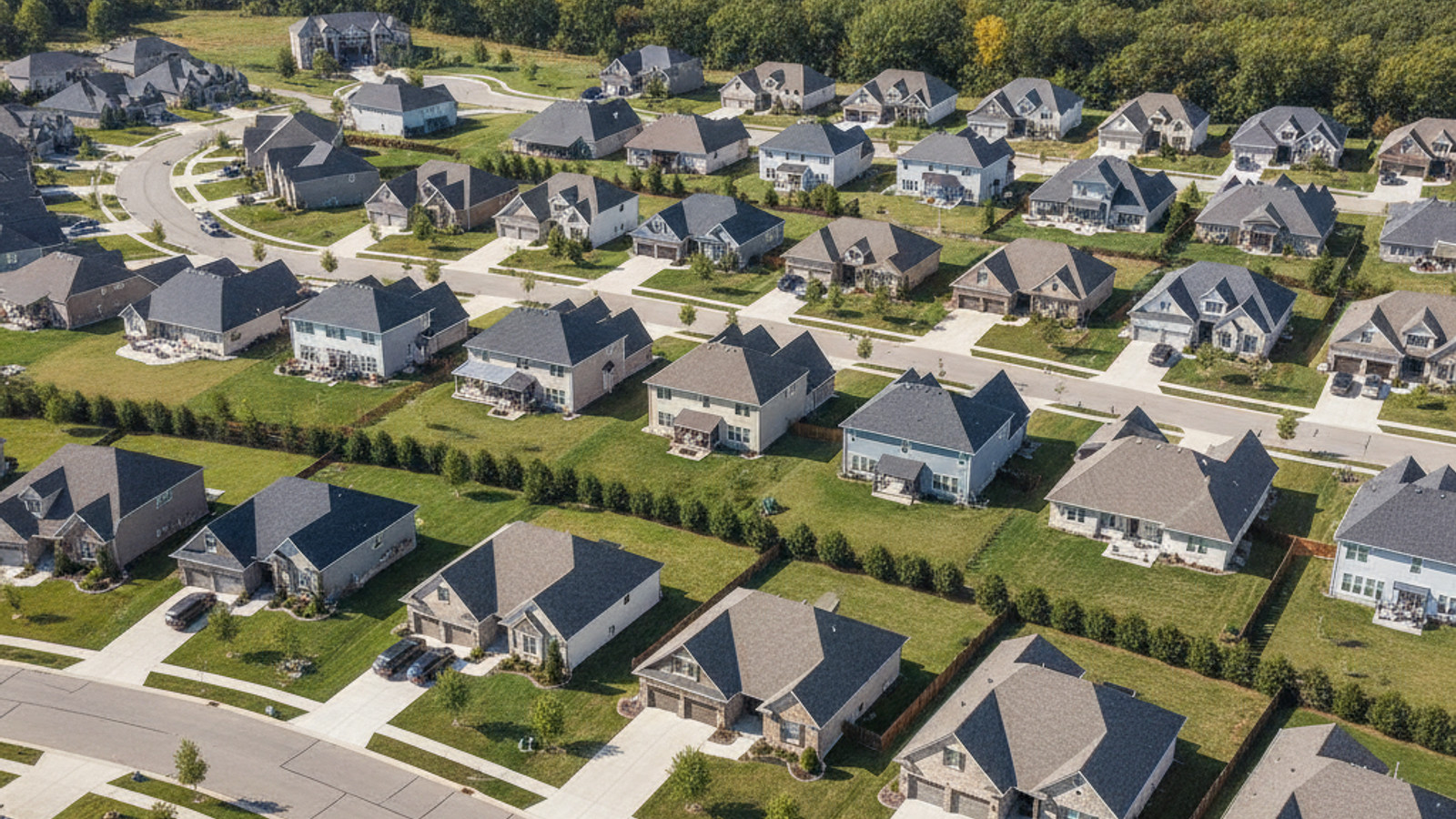
Across the state line in Olathe, the housing inventory leans toward newer single-family developments. The median home price in Olathe runs higher, typically ranging between $440,000 and $485,000. Buyers in this Johnson County market often find larger lot sizes and modern subdivision layouts, though they pay a premium for that space.
Property taxes also differ across the state line. Missouri’s Jackson County generally assesses lower property tax rates compared to Johnson County in Kansas. Buyers should factor these local tax variations into their monthly mortgage calculations, as a cheaper house in Kansas could carry a higher tax burden than a similarly priced home in Missouri.
Cost of Living and Taxes
Daily expenses and income taxes vary depending on which side of the state line you choose. Kansas levies a state income tax up to 5.58%, while Missouri caps its top rate at 4.7%.
Housing costs drive the largest gap in living expenses between the two cities. Since Olathe’s median home prices run higher than the broader Kansas City average, buyers will naturally see higher mortgage payments in the Kansas suburb. Renters also face a premium in Johnson County compared to many Jackson County neighborhoods.
Utility rates and grocery costs show minor fluctuations between the two municipalities. Water, trash, and electricity are managed by different regional providers, so utility bills depend on the specific home’s size and energy efficiency. Buyers should request a year of utility history from the seller to build an accurate monthly budget.
Getting Around the Metro Area
Most commuters traveling from Olathe to downtown Kansas City use Interstate 35. This drive typically takes 25 to 40 minutes, depending on the time of day and road conditions.
Morning and evening rush hours consistently slow down traffic on I-35, particularly near the intersections with I-435 and downtown loop exits. Buyers planning to commute daily should test the drive during peak hours to understand the realistic travel time. Winter weather can also extend this commute, as snow and precipitation impact highway speeds across the metro.
Public transit options exist for those who prefer not to drive. The RideKC bus network operates routes connecting Johnson County directly to employment centers in Missouri. While the bus system provides a reliable alternative, the vast majority of residents in both cities rely on personal vehicles for daily transportation.
Local Parks and Entertainment Venues
Kansas City, MO, serves as the primary entertainment hub for the region, anchored by the Power & Light District and large green spaces like Swope Park. Residents have immediate access to professional sports stadiums, large concert venues, and extensive museum districts.
Olathe offers its own localized recreation tailored to suburban living. The city maintains extensive parklands, including Black Bob Park and Heritage Park, which feature lakes, trails, and sports fields. History enthusiasts often visit the Mahaffie Stagecoach Stop, a preserved site along the historic Santa Fe Trail.
The entertainment landscape in Olathe is expanding rapidly throughout 2026. The commercial zones surrounding the new Chiefs facility are bringing fresh retail and dining options to the area. This continuous development means Olathe residents spend less time driving into Missouri for weekend activities.
Public School District Structures
Olathe Public Schools operates as the second-largest educational district in Kansas. The system serves roughly 28,000 students across 58 different buildings.
The district’s footprint covers almost the entire city, providing a centralized administrative structure for local students. Due to shifting enrollment patterns in recent years, the district began evaluating school consolidations in 2026 to optimize its resources. Buyers should verify current boundary lines, as neighborhood assignments can change during these evaluations.
Kansas City presents a much more fragmented educational map. Depending on the exact residential address, a student in Kansas City, MO, might attend Kansas City Public Schools or one of several surrounding suburban districts. Buyers looking at Missouri real estate should always check the specific property’s district assignment before making an offer.
Frequently Asked Questions
Is Olathe considered part of Kansas City?
Olathe is an independent municipality located in Johnson County, Kansas. However, it is a major suburb within the broader Kansas City metropolitan area, sharing regional infrastructure and an economic base with the Missouri side.
Are the Chiefs moving to Olathe?
The Kansas City Chiefs announced plans in late 2025 to build a $300 million training facility and headquarters in Olathe. While the team’s administrative and practice operations are relocating to this Kansas suburb, stadium plans remain a separate ongoing discussion.
What is the cheapest way to get from Kansas City to Olathe?
Driving a personal vehicle via Interstate 35 is the most direct and common method. For those seeking public transit, the RideKC bus system offers commuter routes between Johnson County and downtown Missouri for a few dollars per trip.
Why are people moving to or from Kansas City and its suburbs like Olathe?
Buyers often move to Olathe for newer housing inventory, larger lot sizes, and centralized school district boundaries. Conversely, residents moving into Kansas City, MO, usually prioritize shorter commutes to downtown offices, historic architecture, and immediate access to urban entertainment districts.
How do property taxes and the overall cost of living compare between Kansas City, MO and Olathe, KS?
Kansas City generally offers a lower median home price and a lower top state income tax rate of 4.7%. Olathe residents face higher median property values and a Kansas income tax rate up to 5.58%, making the overall cost of living higher in the suburb.
Are the public schools in Olathe better than those in the Kansas City, MO school district?
Olathe operates a single, unified district for its 28,000 students, which provides consistency across the suburb. Kansas City relies on multiple different districts depending on your exact address, meaning educational programming and facilities vary widely from neighborhood to neighborhood.
Will I get more house for my money buying real estate in Olathe, KS compared to Kansas City, MO?
Typically, you will pay a higher purchase price per square foot in Olathe, where the median home sits between $440,000 and $485,000. Buyers in Kansas City, MO, can often find lower purchase prices, as the local median hovers around $325,000, though these homes are frequently older and may require renovation.

Dani Beyer, a Kansas City native, began her career in real estate in 2004 after working in the tech industry. Since then, she's helped thousands of families turn their dreams into keys! Dani is now the CEO and Lead Listing Specialist of 'Dani Beyer Real Estate' brokered with Keller Williams KC North. With 820+ Five Star reviews, she specializes in helping buyer and sellers in the Kansas City Northland.