
Coming soon to a closing table near you…
Forget haunted houses, creepy dolls, and people who make questionable decisions in basements. If you’ve ever bought a house, you know the real horror stories usually involve inspection reports, mortgage payments, and the phrase, “We need to talk about the appraisal.”
At Dani Beyer Real Estate, we love a good happy ending. But we also believe a little preparation can help you avoid starring in your own real estate thriller.
So grab your popcorn, turn on the lights (because we’re not walking into that basement alone), and meet seven real estate horror movies that are entirely too plausible for comfort.
 1. The Inspection Report: What Lies Beneath
Genre: Psychological thriller
Tagline: You loved the kitchen. You weren’t prepared for the crawl space.
You’ve found it. The house with the perfect kitchen, the dreamy backyard, and the primary closet that could solve approximately 87% of your problems.
Then comes the home inspection.
Suddenly, you’re reading about roof deterioration, electrical concerns, plumbing leaks, foundation movement, and something called a sump pump. Your dream home has developed a supporting cast of potential expenses, and none of them are particularly charming.
The real-life lesson: A home inspection is one of your most important opportunities to learn about a property’s condition before closing. Inspectors evaluate visible and accessible components of the home and identify concerns that may need further evaluation by a specialist.
Not every inspection finding is a reason to run screaming into the night. Some issues are routine maintenance. Others may warrant repairs, additional inspections, or a conversation about your options under the purchase contract.
In the Kansas City area, pay particular attention to drainage, basement moisture, foundation concerns, roof condition, and HVAC systems. Our weather can be hard on houses, and water has a remarkable talent for finding its way where it doesn’t belong.
How to avoid the nightmare:
- Hire a qualified home inspector.
- Attend the inspection if possible and ask questions.
- Get specialist evaluations when recommended.
- Understand your inspection contingency and deadlines before signing the contract.
The goal isn’t to find a perfect house. It’s to understand what you’re buying before the credits roll.
 2. The Appraisal Comes Up Short
Genre: Suspense
Tagline: You agreed on a price. The numbers have other plans.
You found the house. Your offer was accepted. You’ve mentally moved in, picked out paint colors, and started sending your friends pictures of the backyard.
Then the appraisal comes back below the purchase price. Cue the dramatic music.
An appraisal estimates a home’s market value, and mortgage lenders generally use that value when determining how much they’re willing to lend. If the appraised value is lower than the agreed-upon purchase price, the lender may not finance the full amount you expected.
Now you and the seller have a problem to solve. Depending on your contract, you might renegotiate the price, challenge an appraisal that appears to contain errors, bring additional cash to closing, or explore other options.
The real-life lesson: An accepted offer doesn’t guarantee that the lender will agree with the price.
In competitive Kansas City markets, buyers can get caught up in bidding wars and offer more than comparable sales appear to support. Sometimes the home is worth it to that particular buyer. Sometimes the appraisal disagrees.
How to avoid the nightmare:
- Review comparable sales with your real estate agent before making an offer.
- Understand what happens if the appraisal comes in low.
- Know whether your contract includes an appraisal contingency or other applicable protections.
- If considering an appraisal gap strategy, understand how much additional cash you could realistically bring to closing.
A house can be worth stretching for. Just make sure you know what happens if the numbers don’t cooperate.
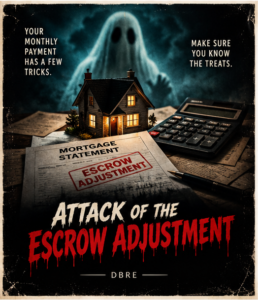
3. Attack of the Escrow Adjustment
Genre: Financial horror
Tagline: You thought your payment was settled. It was not.
You bought the house. Your monthly mortgage payment fits the budget. Life is good.
Then your mortgage servicer sends a notice explaining that your monthly payment is going up.
What happened?
Your property taxes or homeowners insurance premiums may have increased. If your mortgage payment includes an escrow account for those expenses, your servicer may need to collect more each month to cover the new costs. An escrow shortage from the previous year can make the adjustment even more painful.
Your house hasn’t changed. Your payment has. And your budget is now auditioning for a disaster movie.
 The real-life lesson: A fixed-rate mortgage generally keeps your principal and interest payment stable, but it doesn’t freeze your property taxes, insurance premiums, or total housing expenses.
Kansas City buyers should pay particular attention to property taxes. Tax rates, assessed values, exemptions, and individual circumstances can affect what a homeowner owes. A previous owner’s tax bill may not accurately predict your future costs.
How to avoid the nightmare:
- Review property tax information for the specific home you’re considering.
- Get an insurance quote before closing.
- Budget for increases in taxes, insurance, utilities, and maintenance.
- Read your annual escrow analysis instead of letting it become the scariest unopened envelope on your counter.
Your future self will appreciate a little financial breathing room. Especially when the water heater decides it’s time for its final scene.
4. The HOA Strikes Back
Genre: Legal thriller
Tagline: You bought the house. The community rules came with it.
You picture peaceful evenings on your patio, a beautifully maintained neighborhood, and perhaps a tasteful fence to keep the dog from making a break for freedom.
Then you discover the homeowners association has rules about fences, exterior paint colors, parking, landscaping, pets, and approximately everything else you’ve ever wanted to do with your property.
The plot thickens when you learn about monthly or annual dues, special assessments, or restrictions you didn’t know existed.
The real-life lesson: An HOA can provide amenities, maintain shared spaces, and help establish community standards. It can also come with obligations that don’t fit every homeowner’s lifestyle.
Kansas City-area communities vary widely. Some offer pools, clubhouses, trails, and neighborhood events. Others have more limited shared amenities but still maintain rules and collect dues.
Neither is inherently good or bad. The important thing is knowing what you’re signing up for.
How to avoid the nightmare:
- Read the covenants, conditions, and restrictions (CC&Rs), bylaws, and applicable rules.
- Review HOA dues, budgets, reserve information, and any disclosed special assessments.
- Ask about rental restrictions, pet policies, exterior modifications, and parking.
- Understand any HOA document review provisions and deadlines in your contract.
If your dream is to park a boat in the driveway and paint your house electric purple, make sure the HOA won’t turn that dream into a courtroom drama.
5. The House That Ate Your Savings
Genre: Survival horror
Tagline: The purchase price was only the beginning.
You’ve saved for the down payment, accounted for closing costs, and celebrated getting the keys.
Then the refrigerator quits. A storm damages the fence. The HVAC system starts making a noise that sounds suspiciously like a lawn mower full of rocks.
Homeownership has entered its expensive era.
The truth is that buying a house comes with more costs than the mortgage payment. Utilities, insurance, property taxes, routine maintenance, repairs, furnishings, and unexpected replacements can all add up quickly.
The real-life lesson: Getting approved for a mortgage doesn’t necessarily mean you can comfortably afford every expense that comes with the home.
This is especially important when comparing homes at different price points. A larger house may have higher utility costs, more exterior maintenance, or additional systems to maintain. An older home may need updates sooner, although age alone doesn’t tell you everything about its condition.
How to avoid the nightmare:
- Build a realistic monthly budget that includes more than principal and interest.
- Set aside money for routine maintenance and unexpected repairs.
- Review the home’s age and condition, including the roof, HVAC, plumbing, and major appliances.
- Avoid spending every available dollar on the down payment if you can reasonably preserve an emergency fund.
Your house should be a place to live, not a very attractive machine designed to consume every paycheck you earn.
6. The Seller’s Disclosure: A Story of Things You Didn’t Know
Genre: Mystery
Tagline: The answers were there. Did you read them?
The house looks great. The seller’s disclosure is sitting in your inbox. You skim it, sign where you’re supposed to sign, and move on to the fun part: choosing furniture.
Fast-forward three months. You discover a history of water intrusion, a repair that raises more questions than answers, or a recurring problem that suddenly doesn’t seem so mysterious.
Cue the flashback sequence.
A seller’s disclosure can provide useful information about a property’s known condition and history, subject to applicable law and the specific form used. But it isn’t a guarantee that the house has no problems, and it doesn’t replace an independent inspection.
The real-life lesson: Read the disclosure carefully, ask questions about anything unclear, and follow up on concerns before closing.
A disclosure and an inspection serve different purposes. The seller shares information about known issues, while an inspector evaluates the property’s visible and accessible condition at the time of the inspection.
How to avoid the nightmare:
- Read the seller’s disclosure thoroughly.
- Ask follow-up questions about repairs, leaks, prior damage, and other concerns.
- Keep documentation of relevant answers and records.
- Have suspicious or concerning issues evaluated by an appropriate professional.
And remember: Fresh paint isn’t proof of a cover-up. But if a suspicious stain, a disclosure, and an inspector’s comments all point in the same direction, it’s worth investigating before you buy.
7. The Closing Day Plot Twist
Genre: The final boss
Tagline: You were supposed to get the keys today.
You’ve made it through the inspection, appraisal, loan approval, and approximately 4,000 emails. Moving trucks are booked. The utilities are scheduled. Your friends have already been promised pizza in exchange for carrying boxes.
Then something delays closing.
Perhaps the lender needs another document. A title issue needs to be resolved. A repair hasn’t been completed as agreed. Or one of the many people involved in the transaction needs more time to finish an essential step.
Your moving plans are suddenly hanging by a thread.
The real-life lesson: A closing date is a target established by the contract, but reaching it depends on multiple moving pieces coming together.
How to avoid the nightmare:
- Respond promptly to requests from your lender and title company.
- Avoid making major financial changes during the mortgage process.
- Confirm utilities, movers, insurance, and possession arrangements ahead of time.
- Keep communication open with your agent and other transaction professionals.
- Don’t assume you can move in or take possession until the contract’s requirements have been met and possession is authorized.
A little flexibility can go a long way. And maybe don’t schedule your entire extended family to arrive with moving boxes at 8 a.m. sharp.
 The Happy Ending: A Little Preparation Goes a Long Way
Real estate can be stressful. There are big financial decisions, complicated paperwork, and plenty of opportunities for unexpected plot twists.
But most homebuying nightmares become less frightening when you understand the process, ask the right questions, and have experienced professionals helping you navigate the details.
You don’t need to know everything about foundations, appraisals, escrow accounts, and title work. That’s a lot to ask of someone who just wants a nice kitchen and a place to put the Christmas tree.
You do need to know which questions to ask, when to ask them, and when it’s time to bring in an expert.
At Dani Beyer Real Estate, we believe the homebuying process should come with more informed decisions and fewer horror-movie moments. We can’t promise there won’t be surprises. We can help you prepare for the ones that matter.
Ready to find a home with a happy ending? Whether you’re buying your first home, moving up, or relocating to the Kansas City area, the DBRE team is here to help you navigate the plot twists.
Because the only thing that should haunt you after closing is the memory of how much you spent at the home improvement store.
Happy Halloween from Dani Beyer Real Estate! 🎃

Dani Beyer is a Kansas City native, experienced REALTOR®, and CEO and Lead Listing Specialist of Dani Beyer Real Estate, brokered by Keller Williams KC North. With over 20 years of real estate experience, Dani has helped thousands of buyers and sellers navigate the Kansas City housing market. Specializing in Kansas City Northland real estate, including Parkville, Platte County, and Clay County, Dani is known for her local market expertise, strategic home-selling approach, and commitment to exceptional client service. Backed by more than 1,050 five-star Google reviews, Dani and her team are trusted resources for buying, selling, and relocating throughout the Kansas City metro area.