
You found the perfect house. The kitchen is gorgeous, the backyard is dreamy, and the mortgage payment is only mildly terrifying. There’s just one problem: the house next door.
Maybe the neighbor has five project cars in the driveway. Maybe the barking dog has a promising career in heavy metal. Or maybe the vacant house across the street looks like it was abandoned somewhere around the premiere of Beetlejuice.
Welcome to one of the most overlooked parts of buying a home: what happens outside your property lines can matter, too.
Your home doesn’t exist in a vacuum. Its location, surrounding properties, nearby roads, neighborhood amenities, and general upkeep can influence how appealing it is to future buyers—and sometimes how much they’re willing to pay.
So, before you fall in love with the house and mentally start decorating for Christmas, let’s investigate the neighborhood mysteries that could affect your home’s future resale value.
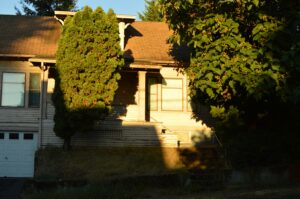 1. The House That Time Forgot
The horror: You’ve found a beautiful home, but the property next door has peeling paint, an overgrown yard, a sagging fence, and enough weeds to qualify as a small agricultural operation.
A neighboring property’s appearance can influence how buyers perceive an entire street. Even if your home is immaculate, buyers may have concerns about the surrounding area’s upkeep, safety, or long-term desirability.
That doesn’t mean one neglected property automatically tanks your home’s value. The impact depends on factors such as the severity of the condition, how visible it is, the neighborhood, and what comparable homes are selling for.
DBRE tip: When touring a home, look beyond the front door. Drive the surrounding streets and notice how nearby properties are maintained.
If you’re selling, focus on what you can control. A tidy yard, clean exterior, maintained landscaping, and welcoming entry can help your home make a strong first impression—even if the neighbors aren’t competing for a landscaping award.
2. The Sound of Silence… Interrupted
The horror: Your dream home has a beautiful patio, mature trees, and the perfect spot for morning coffee. Unfortunately, the soundtrack includes highway traffic, a nearby industrial operation, or a dog who believes every passing squirrel is a five-alarm emergency.
Noise can influence how buyers experience a property. Traffic, trains, aircraft, commercial activity, and persistent neighborhood noise may make an otherwise attractive home less appealing to some buyers.
In the Kansas City area, it’s worth paying attention to proximity to major roads, highways, rail lines, and commercial corridors. A property near a busy route may offer convenient access to work and shopping, but convenience and quiet don’t always come as a package deal.
DBRE tip: Visit a property at different times of day when possible. A quiet Tuesday morning may tell you very little about Friday evening traffic or Saturday-night neighborhood activity.
Pay attention to:
- Traffic and road noise
- Nearby commercial or industrial activity
- Train horns and other recurring sounds
- Street parking and congestion
- Whether outdoor spaces are genuinely enjoyable
And don’t forget to step into the backyard. A beautiful patio is less appealing when relaxing outside requires noise-canceling headphones.
 3. The Mysterious Vacant Property
The horror: Across the street sits an empty house with boarded windows, an overgrown lawn, and an uncertain future.
Vacant or visibly deteriorating properties can raise questions about maintenance, security, future development, and the overall condition of the block.
But here’s where things get interesting: not every empty property is a red flag. It could be undergoing renovations, waiting for a new owner, or preparing for redevelopment that ultimately improves the area.
The important question isn’t simply whether a property is vacant. It’s what is happening with it and whether that situation could affect your experience as a homeowner.
DBRE tip: If a nearby property concerns you, investigate rather than relying on assumptions. Your real estate agent may be able to help you identify relevant public records or direct you to the appropriate local resources.
In Kansas City, code enforcement, property records, and local planning resources can sometimes provide useful context about a property’s status or proposed changes. The right resource depends on which side of the state line—and which municipality—you’re shopping in.
Don’t assume the worst. But don’t ignore a concern that could affect your decision, either.
4. Location, Location… Wait, What’s Being Built There?
The horror: You buy a home because the lot behind you is a peaceful field. Six months later, construction equipment arrives, and your future view includes a new development.
Nearby development can affect a property’s appeal in different ways.
A new grocery store, improved road access, or additional amenities may make an area more convenient. A development that adds traffic, noise, or an unwanted change in the immediate surroundings may have the opposite effect for some buyers.
In a growing metro like Kansas City, development plans can be especially relevant when shopping in expanding communities. Depending on the location, buyers may want to understand whether nearby land is designated for residential, commercial, industrial, or other uses.
Of course, zoning doesn’t tell you exactly what will be built, and plans can change. The goal is to understand what is known today—not to predict the future with a crystal ball.
DBRE tip: If the property backs to vacant land or sits near a proposed development, ask questions about the surrounding area.
You can start with local planning and zoning departments, public planning documents, and development applications where available.
A field today isn’t a guarantee of a field tomorrow. On the other hand, that future shopping center might mean you can finally get groceries without a 20-minute drive. Context matters.
5. The Neighborhood Amenities That Buyers Love
The horror—or perhaps the happy ending: You find a house that’s a little smaller than you imagined, but it’s near trails, parks, shopping, restaurants, and the places you visit every week.
Location isn’t just about avoiding things you dislike. It’s also about finding the things that make everyday life easier and more enjoyable.
Depending on the buyer, desirable neighborhood features may include:
- Parks, trails, and green spaces
- Convenient access to shopping and restaurants
- Reasonable commutes to work
- Community pools, clubhouses, or other amenities
- Sidewalks and opportunities to walk or bike
- Access to schools and other services that fit the household’s needs
Kansas City buyers may prioritize different combinations of these features. Someone looking for a home in the Northland might value highway access and nearby trails, while another buyer may prioritize walkability, restaurants, and a shorter commute.
These features can contribute to a property’s appeal, but their influence on value varies by market and buyer preferences.
DBRE tip: Make a list of the neighborhood features you’ll actually use. Don’t pay a premium for amenities that sound impressive but won’t make much difference in your daily life.
A neighborhood pool is fantastic if you’ll use it. If your idea of swimming involves dipping your toes in the water once every three summers, it may not deserve quite as much weight in your decision.
6. The HOA: Guardian of the Neighborhood or Villain in the Story?
The horror: You love the tidy streets, attractive common areas, and neighborhood amenities. Then you discover that the homeowners association has rules about exterior changes, parking, landscaping, and other aspects of property ownership.
An HOA can help maintain shared amenities and establish community standards. Depending on the community, it may also collect dues, enforce restrictions, and manage common areas.
For some buyers, those standards are a major selling point. For others, the fees and restrictions are a dealbreaker.
The presence of an HOA doesn’t automatically increase or decrease a home’s value. What matters is how the association operates, what it maintains, what it costs, and whether its rules align with your expectations.
DBRE tip: Before buying in an HOA community, review the governing documents, fees, financial information, applicable restrictions, and any disclosed special assessments.
Ask what the dues cover and whether there are restrictions that could affect your plans for the property.
You may love the neighborhood’s uniform appearance. Just make sure you also love the rules that help create it.
7. The Neighbor Problem: What Can You Actually Do?
The horror: Everything about the house is perfect except for one recurring issue with a nearby property.
Perhaps there’s persistent noise, a drainage concern, an ongoing dispute over a fence, or a neighboring property that appears to violate local codes.
Before deciding the neighborhood is doomed, determine exactly what the issue is and whether it can realistically be addressed.
Some concerns are temporary. Others may involve local ordinances, property boundaries, drainage, HOA rules, or other matters that require professional guidance.
And sometimes, the issue is simply a difference in lifestyle. One person’s lively backyard gathering is another person’s reason to invest in noise-canceling headphones.
DBRE tip: If you’re buying, identify concerns early and investigate what you can before committing. If you’re selling, be prepared to answer questions honestly and provide relevant information when appropriate.
Your agent can help you understand which questions to ask and where to seek reliable answers. For legal disputes, boundary questions, or other specialized matters, you may need advice from a qualified professional.
Just remember: you generally can’t control how your neighbors live, and you shouldn’t assume a buyer will have the same preferences you do.
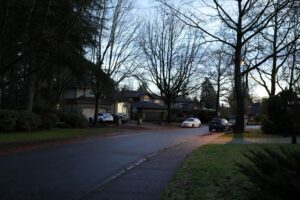 8. How to Investigate a Neighborhood Before You Buy
You don’t need to hire a paranormal investigator to assess a neighborhood. A little research and a few extra trips can reveal a lot.
Before making an offer, consider this checklist:
Visit more than once. See the property during different times of day and, if possible, on different days of the week.
Drive beyond the immediate street. Explore nearby intersections, shopping areas, parks, major roads, and the routes you’ll use regularly.
Walk around if practical. Pay attention to sidewalks, lighting, traffic, property maintenance, and the overall feel of the area.
Research nearby development. Check local planning and zoning resources if vacant land or proposed projects are a concern.
Review relevant property information. Depending on your concerns, this might include public records, applicable HOA documents, or information from local authorities.
Think about your future buyer. If you may sell in five or ten years, consider which location features could appeal to a broad range of buyers. No one can predict future preferences perfectly, but convenience, functionality, and a property’s overall condition are useful places to start.
Ask your real estate agent questions. Your agent can help you research available information, understand comparable sales, and identify issues worth investigating further.
No neighborhood is perfect. The goal is to understand its strengths, trade-offs, and potential concerns before deciding whether it fits your needs.
So, Can the House Next Door Affect Your Home’s Value?
Yes, it can—but there’s no universal formula for determining how much.
A home’s market value depends on many factors, including its condition, size, layout, location, comparable sales, and current market conditions. Nearby properties, noise, development, and neighborhood amenities can also influence how buyers perceive a home and what they’re willing to pay.
One messy yard doesn’t automatically spell disaster. A nearby park doesn’t guarantee a premium. And a quiet street today isn’t necessarily a promise of silence forever.
The key is to evaluate the whole picture.
For sellers, understanding the property’s surroundings can help you prepare for buyer questions and position your home appropriately. For buyers, looking beyond the house itself can help you avoid unpleasant surprises and choose a location that works for your life.
Don’t Let the Neighborhood Plot Twist Surprise You
At Dani Beyer Real Estate, we know buying a home is about more than finding the perfect kitchen or a backyard big enough for the dog.
It’s also about finding a place where you can picture your life unfolding—commute included, neighbors included, and hopefully no mysterious midnight noises included.
Whether you’re exploring the Kansas City Northland, comparing neighborhoods across the metro, or preparing to sell your current home, we’re here to help you look at the bigger picture.
Because the only thing that should haunt you after closing is how quickly your moving budget disappeared at the home improvement store.
Ready to find a home and a neighborhood that fit your life? Connect with Dani Beyer Real Estate to start the conversation.
Happy house hunting. Keep your eyes open, and maybe wave to the neighbors.

Dani Beyer is a Kansas City native, experienced REALTOR®, and CEO and Lead Listing Specialist of Dani Beyer Real Estate, brokered by Keller Williams KC North. With over 20 years of real estate experience, Dani has helped thousands of buyers and sellers navigate the Kansas City housing market. Specializing in Kansas City Northland real estate, including Parkville, Platte County, and Clay County, Dani is known for her local market expertise, strategic home-selling approach, and commitment to exceptional client service. Backed by more than 1,050 five-star Google reviews, Dani and her team are trusted resources for buying, selling, and relocating throughout the Kansas City metro area.